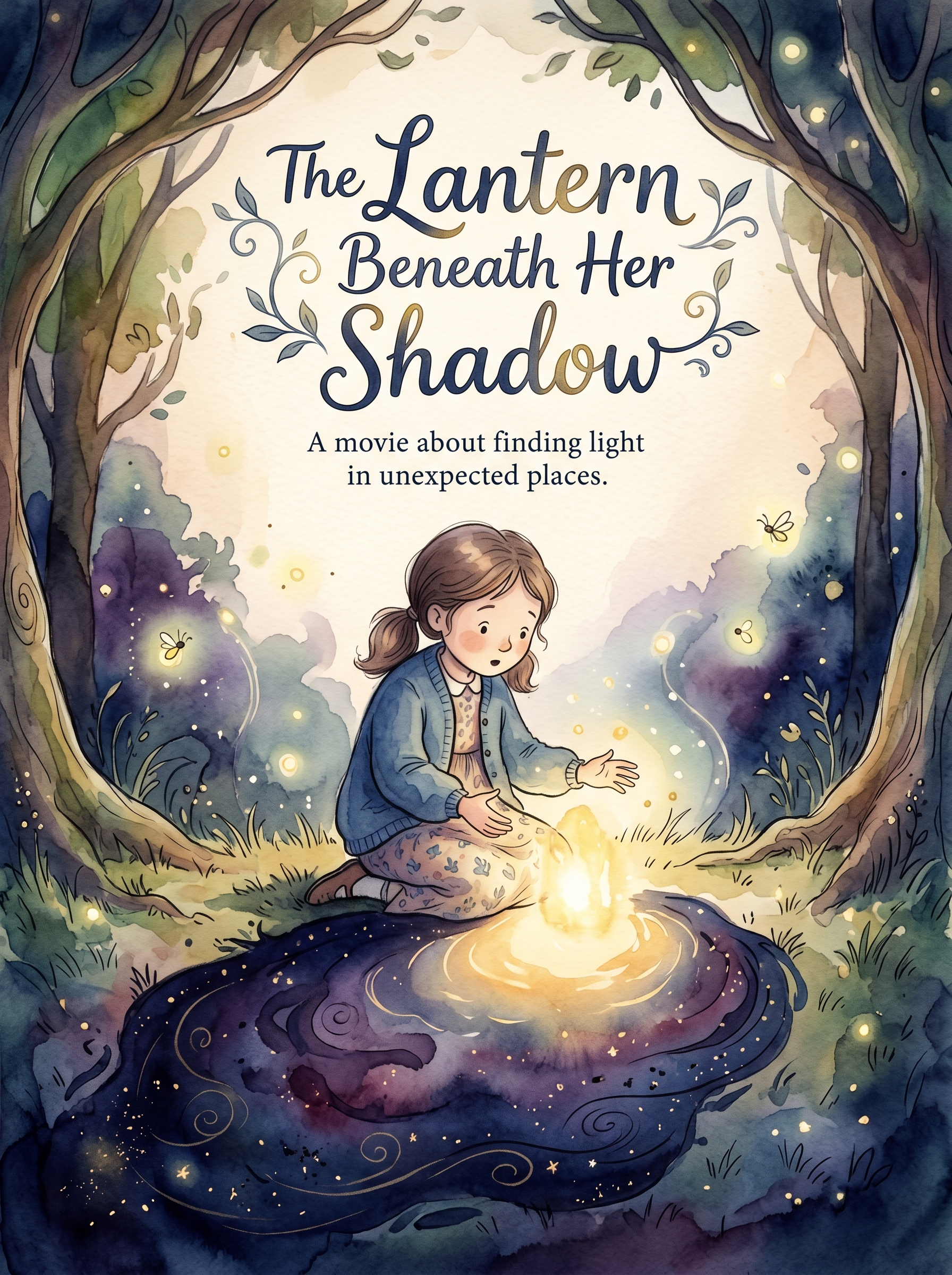
Understanding the Magic of Personalization
There's a particular magic in hearing one's name within a story. When 5-year-old Lucas heard his name in the narration of his Mero film, the wide-eyed wonder on his face was unforgettable. This magic stems from a deep need for recognition and identity that children have. As PBS KIDS for Parents notes, personal storytelling enhances a child's language skills and self-awareness. A personalized story isn't just about swapping names; it's about weaving a child's essence into every chapter.
Personalization turns a generic story into a significant experience. When a tale incorporates a child's quirks or a cherished moment, it becomes a beacon of belonging and understanding. The Center on the Developing Child at Harvard University emphasizes the importance of such interactions through the 'Serve and Return' paradigm, where acknowledging a child's interests boosts their cognitive and emotional development.
So, how do you create this magic? A personalized story can encapsulate moments of growth, courage, and imagination. It's about crafting a narrative that resonates with the child's world, making them the hero of their own adventure.
Step 1: Capture the Essence of Your Child
Consider what makes your child unique. Is it their infectious laughter, their love for dinosaurs, or perhaps their bravery in tackling new challenges? These elements form the foundation of a personalized story. PBS KIDS for Parents suggests parents engage with their child’s interests to create meaningful story experiences.
Start by jotting down their interests, unique traits, and any special memories or milestones you'd want to highlight. Remember the time 7-year-old Emma faced her fear of water and learned to swim? Such moments are perfect for setting the emotional stakes of a story.
By focusing on these personal touches, you ensure that the story not only features your child’s name but also echoes their personality and life experiences. This is crucial in creating a narrative that is both engaging and authentic.
Step 2: Choose an Occasion or Theme
Every personalized story needs a backdrop — an occasion or theme that gives context to the narrative. Is it a birthday, a new sibling arrival, or a first day of school? Identifying this helps anchor the story in a relatable event.
Mero offers various themes from 'Standing Tall' to 'Kindness Hero', allowing you to align the story with a particular life lesson or characteristic you'd like to highlight. For instance, a story about 'Family Strength' could commemorate a family milestone, like moving to a new house or welcoming a new pet.
Choosing the right theme not only enhances the story's relevance but also provides an opportunity to address emotions and scenarios your child might be experiencing, making the story both educational and entertaining.
Step 3: Craft the Story's Plot
With the character and theme in place, it's time to outline the plot. Think of the emotional arcs and adventures you'd like your child to experience. Perhaps they embark on a quest to find a magical stone or solve a mystery involving their favorite animal.
Involve your child in this process by asking what kind of adventures they dream about. Such engagement not only makes the story more personalized but also strengthens the cognitive connections associated with storytelling, as supported by PBS KIDS for Parents.
For example, when creating 8-year-old Noah's story, his parents included a thrilling treasure hunt that started at his school playground and ended with a surprise sleepover in the backyard, reflecting his adventurous spirit and love for surprises.
Step 4: Infuse Emotional Stakes
Emotion is the heartbeat of any great story. To make a personalized story memorable, infuse it with emotional stakes that resonate with your child's experiences. Whether it's overcoming a fear, celebrating a victory, or understanding a lesson, real emotions make the narrative compelling.
For instance, when 10-year-old Mia's story included her overcoming stage fright to perform in a school play, it mirrored a real-life achievement that boosted her confidence. This alignment between fiction and reality helps children process emotions and learn from their experiences.
According to the Center on the Developing Child at Harvard University, interactions that reflect a child's feelings support emotional and social development. Therefore, a story that captures these emotions not only entertains but also nurtures growth.
Step 5: Add Depth with Supporting Characters
No great story exists without a cast of supporting characters. Involve friends, family, or imaginary companions who influence the hero's journey. These characters provide different perspectives and enrich the narrative.
Mero's Supermero Plan, allowing up to three characters, supports this depth by incorporating siblings or friends into the adventure, fostering a sense of camaraderie and shared experience.
When Max's family included his pet dog as a sidekick in his story, it not only delighted him but also highlighted the special bond they share. Crafting such relationships within the story adds layers and makes the tale more engaging and relatable.
Step 6: Weave in Sensory Details
Capture a child's imagination by weaving in vivid sensory details. Describe the sights, sounds, and smells of their adventure to make the story come alive. These details help children visualize and emotionally connect with the narrative.
When 6-year-old Amara navigated through a jungle in her story, the rustling leaves, chirping birds, and scent of fresh rain were described in rich detail. Such sensory richness turns reading into an immersive experience.
Reading Rockets suggests that sensory engagement through storytelling enhances children's reading comprehension and creativity. So, by using sensory language, you help your child dive deeper into the story world.
Step 7: Select the Perfect Format
Once your story's elements are in place, choose how you want to present it. A Mero personalized film offers a cinematic experience, transforming the narrative into a visual spectacle that kids can watch and re-watch.
Unlike traditional children's books, Mero films bring stories to life with animation and narration. When little Sophie saw herself animated alongside her favorite superhero, the thrill was akin to seeing a Pixar movie featuring her.
The combination of visual and auditory elements reinforces the story's impact, making it an excellent medium for children who thrive on visual learning and engagement.
Frequently asked questions
What makes a personalized story film different from a personalized children's book?
A personalized children's book swaps in your child's name and photo on the page. A Mero personalized story film puts your child inside an animated cinematic short — they hear their name spoken aloud in the narration, see a hero animated to look like them, and watch the whole story play out as a movie. The reveal moment is closer to seeing yourself in a Pixar trailer than to seeing your name on a printed page.
How personalized is the story actually?
Beyond the name, Mero builds the story around your child's hobbies, personality quirks, a special memory you submit, and the occasion the film is for. The result is a story whose emotional beats — what the hero notices, what they fear, what they overcome — map onto your specific child, not a generic template.
Can I see examples of finished Mero films before ordering?
Yes — the Mero catalog (the Deliverables section on mero-world.com) features finished films across themes like Standing Tall, Brave Body, Belonging, and Family Strength. Each story has its own pitch, age range, and animation style, so you can preview the style before committing.
How long does it take to receive a Mero personalized story film?
Standard delivery is 7 days from the moment you submit your child's details. If you need it sooner for a birthday, holiday, or special event, an expedited rush option is available at checkout. Every film is hand-crafted, so the timeline is shorter than people usually expect for a fully personalized cinematic short.
What ages is a Mero film suitable for?
Mero films span the full childhood arc, from gentle 1-3 minute bedtime stories for toddlers up to coming-of-age cinematic shorts for teens aged 14-17. Each story in the catalog has its own age range, and parents pick the one that fits their child's developmental stage and emotional moment.
How is a Mero film delivered?
You receive a high-quality MP4 video file by email plus a secure private streaming link, so you can play it on a phone, TV, or laptop and share it with grandparents and friends. The matching digital storybook (included with paid film plans) is delivered as a private digital link — there's no physical book mailed today.
Start Your Child's Adventure Today
Bring your child's story to life with a personalized Mero film. Make them the hero in a magical adventure tailored just for them.
Create Now