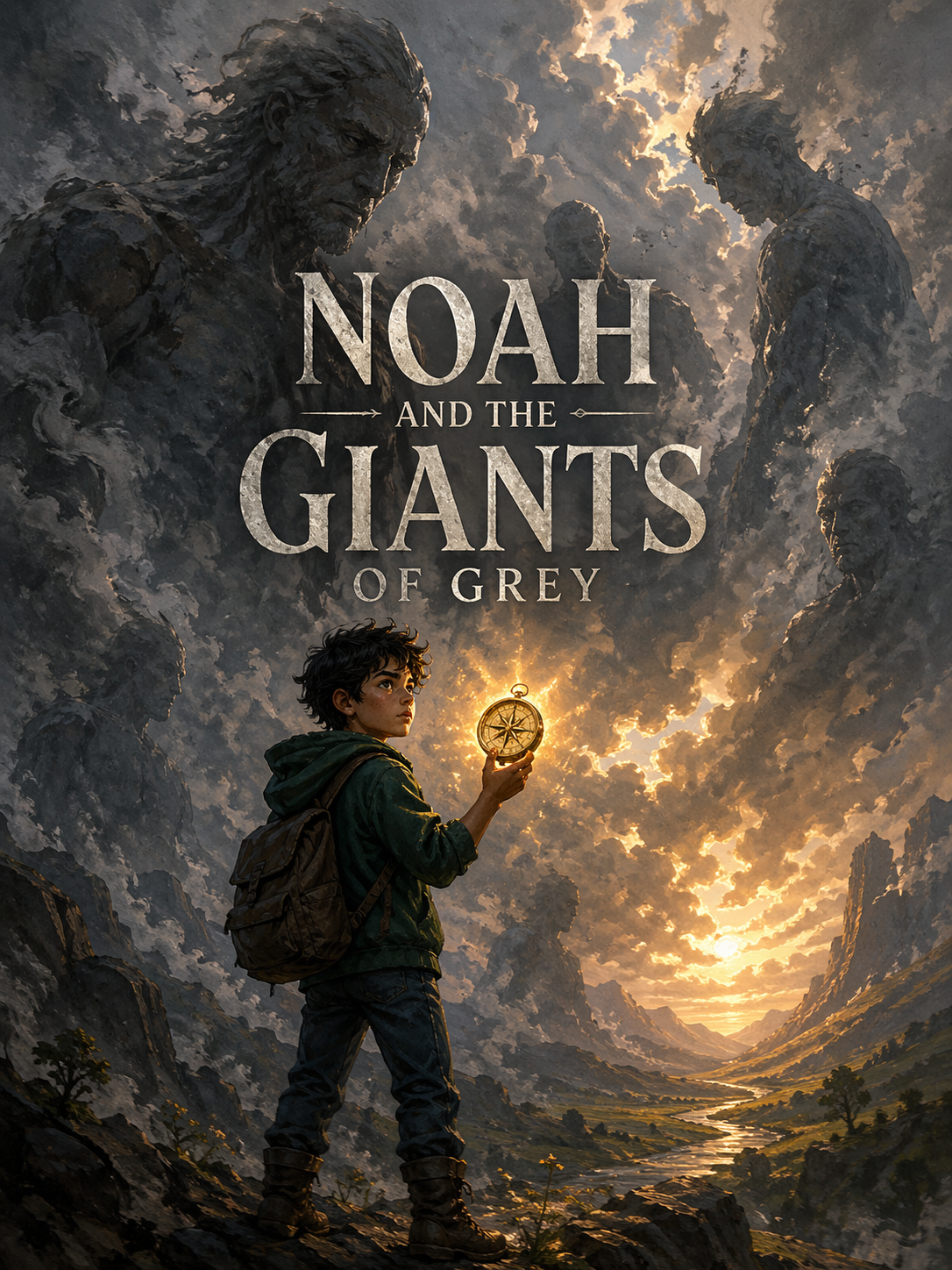
A Magical Moment of Self-Discovery
When 7-year-old Liam saw himself as the swashbuckling hero in a Mero film, the gleam in his eyes suggested he wasn't just watching — he was living the adventure. As his animated self leapt from tree to tree, the echoes of his name in the narrative solidified an important realization: Liam was indeed a hero in his own story.
This moment of self-recognition is transformative. For many children, seeing oneself depicted in a story catalyzes both imagination and identity formation. According to the American Academy of Pediatrics, imaginative play is crucial for healthy brain development, providing children the space to envision new roles and possibilities.
Through storytelling, children experience both the fantastical and the personal. Personalization in stories offers them a mirror, reflecting their unique potential and nurturing a belief in their capabilities.
The Role of Imaginative Play in Child Development
Imaginative play is more than just a pastime; it is a cornerstone of childhood development. The American Academy of Pediatrics emphasizes that through play, children develop physical coordination, emotional maturity, social skills, and cognitive abilities. In stories, they find a playground for their imaginations.
This type of play allows children to experiment with ideas and roles, lay the groundwork for empathy by imagining different perspectives, and enhance problem-solving skills. All of these are foundational for emotional and social intelligence.
Storytelling and imaginative play work hand-in-hand to cultivate a child's understanding of the world and their place in it. When a story is personalized, it amplifies this effect, grounding imagination in personal relevance and reinforcing identity.
Why Personalization Matters
In an era where children are bombarded with generic media, the specificity of personalized storytelling stands out. According to NAEYC, stories that reflect a child's reality or fantasy help foster a sense of belonging and self-worth. Personalization is more than just a name drop; it is about creating a narrative where the child feels seen and valued.
When a child becomes the protagonist, the story transforms from a passive experience into an active exploration of self. They recognize their traits, triumphs, and even struggles in the narrative — all elements that make the story uniquely theirs.
Personalized storytelling is a powerful tool for identity reinforcement, confirming to children that their stories — their lives — are worth telling.
Creating Identity through Stories
Identity is partly constructed from the stories we tell about ourselves. Reading Rockets highlights how narratives help children make sense of their experiences and shape their self-concept. When they see themselves reflected as heroes, they internalize these narratives, which, in turn, influences their real-world behavior and self-perception.
As children navigate complex emotions and social dynamics, personalized stories can serve as a safe space to explore these themes. This process not only aids in understanding the world but also in understanding themselves.
By being the hero, children learn the value of their unique qualities and experiences, fostering a resilient and secure self-identity.
The Impact of Story Themes on Imagination
The themes within a personalized story have the power to shape a child's worldview. Mero's thematic offerings such as 'Brave Body' and 'Kindness Hero' provide narratives that encourage courage and empathy, attributes that are essential for personal growth.
According to PBS KIDS, stories with strong themes help children to understand complex concepts in a digestible and relatable manner. This experience nurtures imagination, connecting abstract ideas with personal experiences.
By engaging with these themes, children are not only entertained but also inspired to embody the traits of the characters they admire, leading to a deeper understanding of abstract values like courage, kindness, and strength.
Building Emotional Connections through Storytelling
A well-crafted story resonates on an emotional level, creating connections that transcend the screen. Mero films, which integrate the child's name, traits, and experiences, offer a rich tapestry of emotional engagement.
The Center on the Developing Child at Harvard University emphasizes that interactions like storytelling strengthen brain circuitry. These connections are crucial for emotional intelligence, as they help children to process their feelings and responses to various scenarios.
By seeing their own life reflected in a story, children develop empathy not only towards themselves but also towards others, understanding the universality of emotions and experiences.
Stories as Tools for Learning and Growth
They are not only about entertainment; stories are potent educational tools. Personalized stories, in particular, provide learning opportunities that are both engaging and meaningful.
NAEYC suggests that stories help in developing literacy and comprehension skills, as children are more likely to engage with content they find personally relevant. This engagement aids in vocabulary development, language skills, and critical thinking.
Through personalized storytelling, learning becomes a joy rather than a chore, as children are motivated to explore the worlds that feature themselves as key players.
The Lasting Influence of Personalized Tales
A personalized story is a cherished memory. Long after the tale ends, its impact lingers, influencing how children perceive themselves and their role in the world.
The narratives they internalize contribute to lifelong learning and self-awareness. When children engage with stories that reflect their individuality, they not only gain confidence but also a profound understanding of their own unique potential.
This lasting influence is a testament to the power of personalization: it is not a mere cosmetic feature but an essential component of identity formation and imaginative play.
Why Personalization Is Essential in Storytelling
At its core, personalization in storytelling affirms the child's importance in their own narrative world. It provides a sense of agency that generic tales cannot match, allowing children to see their own lives woven into the fabric of a larger story.
Personalization turns storytelling into an exercise in seeing and believing. It holds a mirror up to children, showing them the hero within, and inviting them to explore new facets of their identity.
Ultimately, personalization in storytelling is about identity, not decoration. It reinforces the idea that every child, with their unique quirks and qualities, has a story worth telling and an identity worth celebrating.
Frequently asked questions
How does seeing themselves as the hero of a story help a child?
Children build identity partly through narrative — the stories they hear shape how they see themselves. When a child becomes the literal hero of a film, with their own name, their own face, their own character traits in the script, it reinforces the felt sense that their experiences are worth telling. Reading Rockets, Zero to Three, and the American Academy of Pediatrics all point to the developmental value of children seeing themselves represented in stories.
What age should I introduce personalized stories to my child?
There's no minimum, but the way it lands depends on the age. Toddlers (1-3) respond best to short, soothing bedtime films. Children 4-7 grasp the "hero is me" idea and love the reveal. Children 8-12 engage with more complex emotional themes. Teens 13-17 respond to coming-of-age narratives that take their inner life seriously. Mero has stories across all of these.
Are personalized story films screen time worth allowing?
A 1-2 minute personalized film a few times a week is in a different category from open-ended algorithmic video. It's a finite, intentional, family-shared experience tied to your specific child's identity. The American Academy of Pediatrics recommends parents focus less on raw minutes and more on the quality of what kids watch and whether parents engage with them around it.
How long does it take to receive a Mero personalized story film?
Standard delivery is 7 days from the moment you submit your child's details. If you need it sooner for a birthday, holiday, or special event, an expedited rush option is available at checkout. Every film is hand-crafted, so the timeline is shorter than people usually expect for a fully personalized cinematic short.
What ages is a Mero film suitable for?
Mero films span the full childhood arc, from gentle 1-3 minute bedtime stories for toddlers up to coming-of-age cinematic shorts for teens aged 14-17. Each story in the catalog has its own age range, and parents pick the one that fits their child's developmental stage and emotional moment.
How is a Mero film delivered?
You receive a high-quality MP4 video file by email plus a secure private streaming link, so you can play it on a phone, TV, or laptop and share it with grandparents and friends. The matching digital storybook (included with paid film plans) is delivered as a private digital link — there's no physical book mailed today.
Create Your Child's Heroic Adventure
Bring your child's unique story to life with a personalized Mero film today.
Create Now