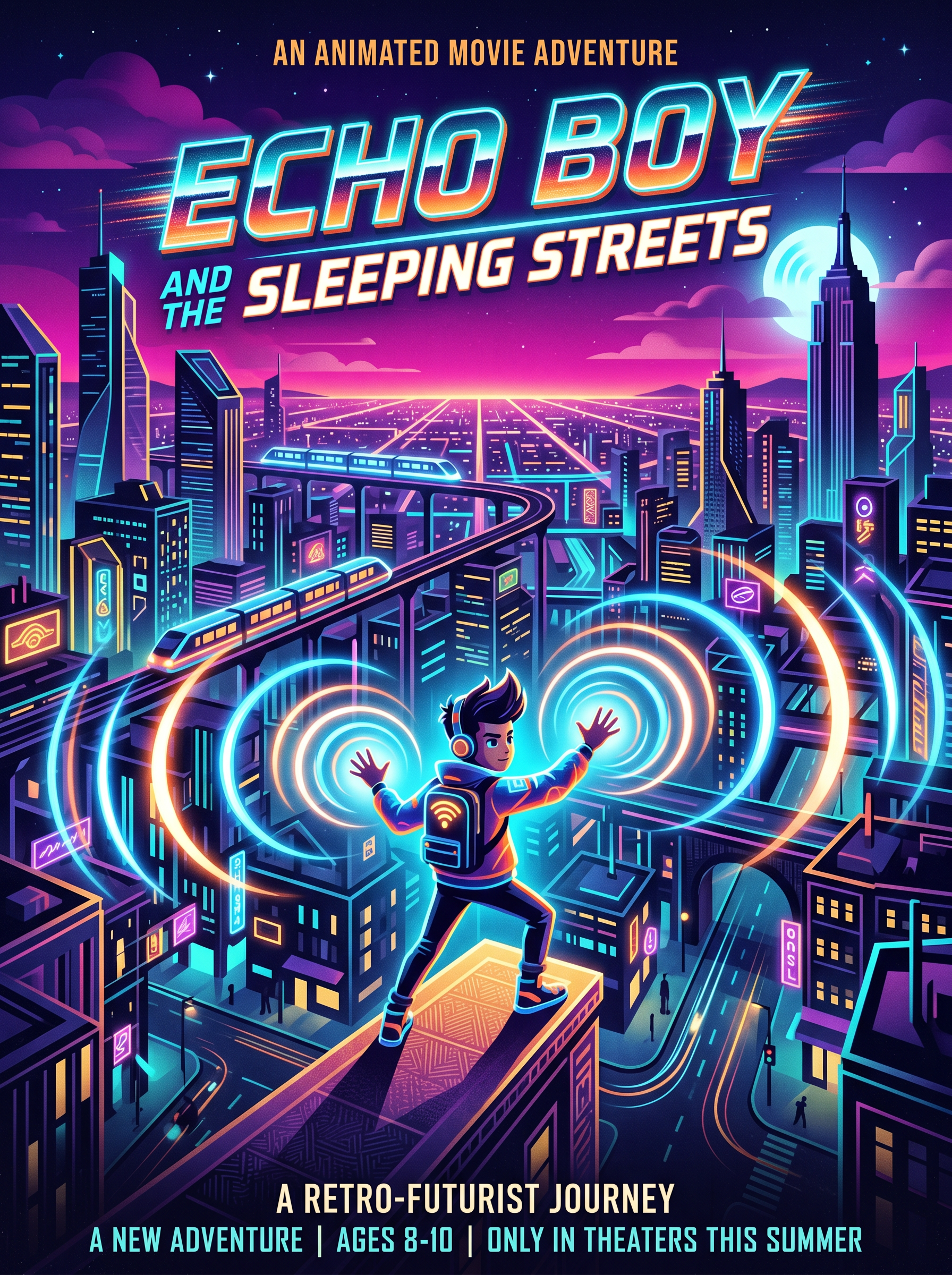
When Imagination Meets Reality
When 6-year-old Amara first heard her name spoken in the opening narration of a personalized story film, her eyes widened with wonder. It wasn't just a character that looked like her; it was her. This moment, where imaginative play met reality, exemplifies the profound impact of children seeing themselves as the hero in their own stories.
According to the American Academy of Pediatrics' 'The Power of Play,' imaginative play is crucial for a child's development. Through play, children learn to navigate social dynamics, solve problems, and express themselves. When Amara watched herself take on challenges and triumph, her confidence and sense of identity blossomed.
At the heart of this experience is the idea that personalization in storytelling is not mere decoration. It's a powerful tool in shaping how a child views themselves and the world around them. By featuring themselves as heroes, children like Amara learn that their stories matter, fostering a strong sense of self-worth.
The Role of Storytelling in Childhood Development
Storytelling is an ancient art that has connected generations. It is through stories that values, wisdom, and culture are passed down. Today, personalized storytelling takes this tradition to a new level by placing children at the center of the narrative.
PBS KIDS for Parents highlights the benefits of reading and storytelling in fostering literacy and emotional development. When stories are personalized, the impact is magnified, as children are more engaged and likely to see connections to their own lives.
This form of storytelling encourages children to explore their own identities and emotions. As children hear their names and see their likenesses in stories, they are invited into a world where their own experiences and feelings are validated, reinforcing the idea that their stories are worth sharing.
Personalized Stories as a Mirror
Personalized stories act as mirrors, reflecting the unique qualities of each child back at them. When a child sees themselves in a narrative, it offers a sense of affirmation and belonging.
The National Association for the Education of Young Children (NAEYC) supports this by emphasizing the importance of children seeing themselves in the stories they read. This representation helps children understand their place in the world and fosters a deeper engagement with the content.
By providing children with stories that mirror their own lives, parents and educators can nurture a child's self-esteem and encourage a love for storytelling that may last a lifetime.
The Science of Personalization
Research into child development has shown that personalization in learning and play can significantly enhance engagement and retention. The Center on the Developing Child at Harvard University explains that responsive interactions, like personalized storytelling, are key to building brain circuitry.
In a personalized story film, every detail is crafted to resonate with the child, from the character's journey to the use of the child's name. This attention to specificity not only entertains but also educates, as children learn best when they are actively engaged.
These stories are not just about fun; they are about forming connections that help children make sense of their world, understand complex emotions, and develop critical thinking skills.
Imaginative Identity Play
Imaginative identity play, where children explore different roles and stories, is a crucial aspect of development. Reading Rockets reports that through such play, children practice empathy, decision-making, and creative thinking.
When children engage with stories where they are the protagonists, they experiment with different scenarios and outcomes, safely exploring the boundaries of their identity and capabilities.
These experiences provide children with the opportunity to understand themselves better and to see themselves as capable and valued individuals. It's about more than entertainment; it's about empowerment and identity affirmation.
Why Personalization Matters
Personalization in storytelling transforms the passive act of listening into an interactive experience. Children are naturally more attentive and invested when they recognize themselves in the stories being told.
NAEYC's resources for families highlight how children’s engagement and learning are enhanced when educational experiences are personalized. These experiences are more memorable and meaningful, leading to deeper learning.
For children, seeing their own traits and choices reflected in a story underscores the message that they are unique and important. This recognition is vital in their formative years and supports the development of a strong personal identity.
The Gift of Being Seen
To be seen is a fundamental human need, and for children, being recognized in the stories they consume is a powerful affirmation of their worth. Personalized storytelling offers this gift by acknowledging and celebrating each child's individuality.
The American Academy of Pediatrics underscores that when children see themselves in stories, they are encouraged to explore diverse perspectives and develop empathy. This formative experience can foster resilience and adaptability in their personal and social lives.
Every child deserves to see themselves as the hero of their story. It encourages a lifelong love of reading and storytelling, shaping a child's understanding of themselves and their potential.
Beyond Entertainment: Educational Impact
While storytelling is inherently entertaining, its educational impact should not be underestimated. Personalized stories provide a unique blend of entertainment and education, engaging children in a way that traditional media cannot.
PBS KIDS for Parents emphasizes the role of storytelling in enhancing literacy skills. When children are engaged, they naturally improve their vocabulary, comprehension, and critical thinking skills.
The personalized nature of these stories means they can be tailored to address specific learning goals or themes, making them a versatile tool in both the home and classroom setting.
Creating Lasting Memories
Personalized storytelling is about creating lasting memories. When a child watches a personalized story film, it's not just a moment of entertainment; it's a cherished memory that reinforces their sense of identity.
These stories often become family treasures, shared with siblings and even passed down to future generations. They capture a moment in time and reflect the child's personality, interests, and dreams.
As children grow and their narratives evolve, these personalized stories serve as a reminder of their journey, encouraging them to continue exploring, dreaming, and believing in themselves.
The Power of Narrative Identity
Narrative identity is the internalized story you tell about yourself, and it's a crucial component of one's sense of self. Personalized storytelling helps children develop this narrative identity by allowing them to explore who they are through fiction.
Reading Rockets suggests that when children engage with stories that reflect their own experiences, they begin to construct their narrative identity, integrating new experiences and perspectives into their understanding of themselves.
By crafting stories around a child’s life, personalized storytelling provides a powerful framework for children to understand and articulate their personal journeys, helping to shape their identity in profound ways.
Empowering Children Through Stories
Stories are powerful tools that can inspire, educate, and transform. Personalized stories take this to another level by placing the child as the central hero, reinforcing their sense of empowerment.
The National Association for the Education of Young Children stresses the importance of empowering children through tailored experiences that reflect their personal realities and potential futures.
By seeing themselves as capable, brave, and resourceful, children are more likely to approach challenges with confidence and creativity, carrying these traits forward into adulthood.
Inviting Parents Into the Story
Parents play a vital role in their children's storytelling experiences. By selecting and sharing personalized stories, parents are actively participating in their child's identity formation and emotional growth.
The American Academy of Pediatrics recommends that parents engage with their children during storytelling, discussing the themes and lessons within each narrative to reinforce learning and connection.
Mero invites parents to create these magical narrative moments, ensuring that each personalized story is not just a tale but an experience shared by the whole family, fostering bonds and memories that last a lifetime.
Frequently asked questions
How does seeing themselves as the hero of a story help a child?
Children build identity partly through narrative — the stories they hear shape how they see themselves. When a child becomes the literal hero of a film, with their own name, their own face, their own character traits in the script, it reinforces the felt sense that their experiences are worth telling. Reading Rockets, Zero to Three, and the American Academy of Pediatrics all point to the developmental value of children seeing themselves represented in stories.
What age should I introduce personalized stories to my child?
There's no minimum, but the way it lands depends on the age. Toddlers (1-3) respond best to short, soothing bedtime films. Children 4-7 grasp the "hero is me" idea and love the reveal. Children 8-12 engage with more complex emotional themes. Teens 13-17 respond to coming-of-age narratives that take their inner life seriously. Mero has stories across all of these.
Are personalized story films screen time worth allowing?
A 1-2 minute personalized film a few times a week is in a different category from open-ended algorithmic video. It's a finite, intentional, family-shared experience tied to your specific child's identity. The American Academy of Pediatrics recommends parents focus less on raw minutes and more on the quality of what kids watch and whether parents engage with them around it.
How long does it take to receive a Mero personalized story film?
Standard delivery is 7 days from the moment you submit your child's details. If you need it sooner for a birthday, holiday, or special event, an expedited rush option is available at checkout. Every film is hand-crafted, so the timeline is shorter than people usually expect for a fully personalized cinematic short.
What ages is a Mero film suitable for?
Mero films span the full childhood arc, from gentle 1-3 minute bedtime stories for toddlers up to coming-of-age cinematic shorts for teens aged 14-17. Each story in the catalog has its own age range, and parents pick the one that fits their child's developmental stage and emotional moment.
How is a Mero film delivered?
You receive a high-quality MP4 video file by email plus a secure private streaming link, so you can play it on a phone, TV, or laptop and share it with grandparents and friends. The matching digital storybook (included with paid film plans) is delivered as a private digital link — there's no physical book mailed today.
Create a Personalized Story for Your Child
Bring the magic of storytelling into your child's life with a Mero personalized film today.
Start Creating