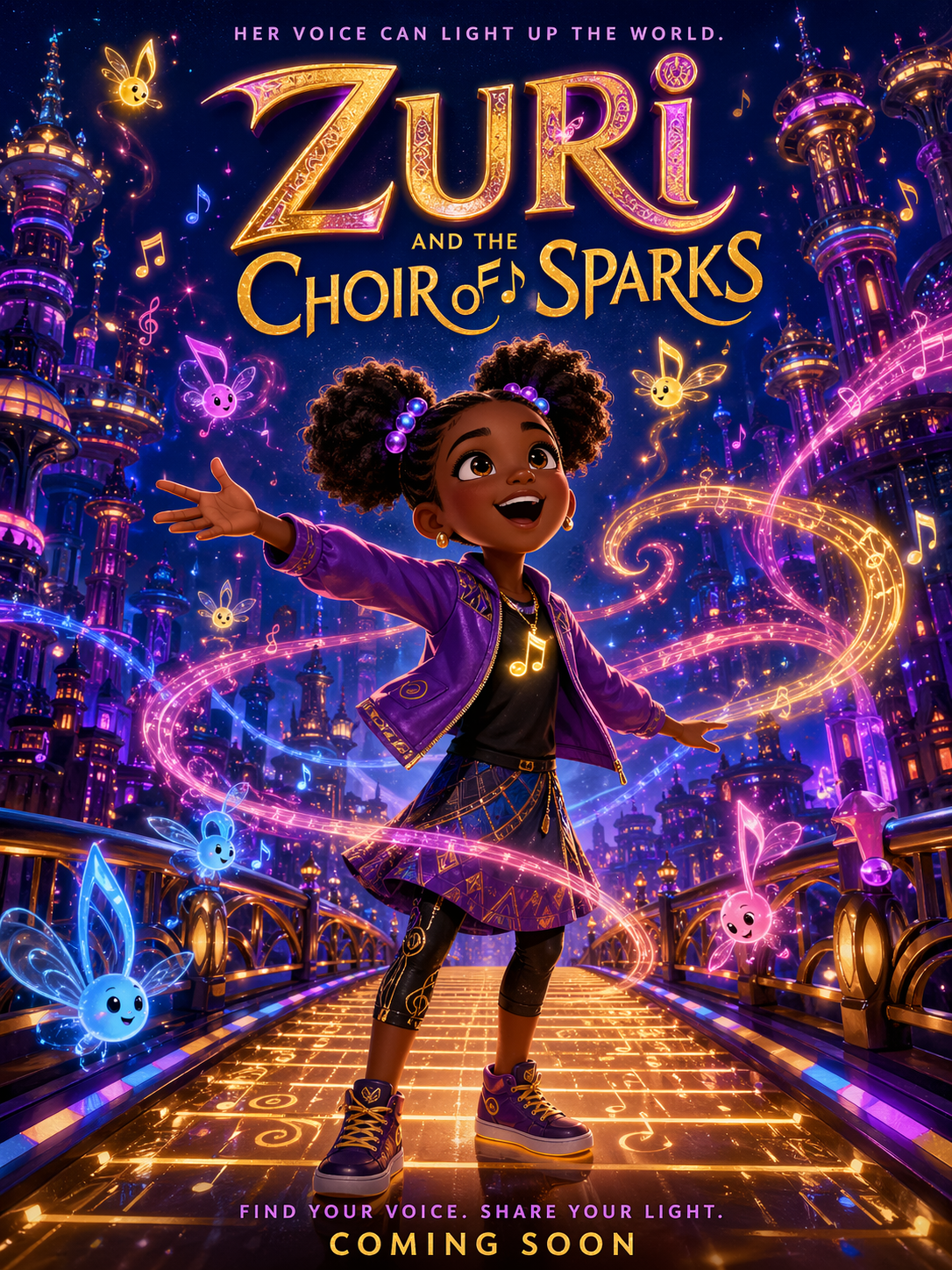
A First Glimpse of Heroism
When 7-year-old Ethan sat wide-eyed in front of the screen, he was unprepared for the magic about to unfold. As the familiar opening notes played, a character with his wavy brown hair and cheeky grin appeared, embarking on a quest through enchanted forests. For the first time, Ethan saw himself not just in a story, but as the hero woven into its fabric.
For many children like Ethan, the moment they see their name and likeness in a story is transformative. It’s more than a novelty; it’s an awakening. The realization that their experiences, dreams, and traits are worthy of narrative recognition lays a foundation for robust self-esteem.
This personalized storytelling experience extends beyond mere entertainment. It provides children with a tangible sense of belonging and importance, reinforcing their identity through narrative imagery.
The Power of Personalized Stories
Personalized stories do more than entertain; they validate a child's self-concept. According to the American Academy of Pediatrics, narrative experiences are pivotal in shaping a child’s understanding of themselves and the world around them.
Engaging directly with stories that feature their attributes and experiences allows children to internalize positive messages about who they are. They learn that their unique characteristics and personal journeys are not only valuable but also heroic.
Incorporating elements from a child’s life into stories they consume can foster a deeper connection to the material, encouraging engagement and comprehension. This sense of self-affirmation can be particularly empowering in formative years when identity development is at its peak.
Imaginative Play as a Developmental Tool
The National Association for the Education of Young Children emphasizes the role of imaginative play in cognitive and emotional development. It's through play that children experiment with roles and narratives, trying on different aspects of identity.
By becoming the star of their own stories, children engage in a form of imaginative play that is deeply personal. This helps them explore both the boundaries and potential of their identity in a safe, controlled environment.
Imaginative play allows children to rehearse real-world interactions, develop problem-solving skills, and build empathy. Personalized storytelling enhances this by allowing children to envisage themselves overcoming challenges, hence reinforcing self-efficacy and resilience.
Blurring the Line Between Real and Imaginary
In stories, children find a space where reality and imagination coexist. When they see themselves in these stories, they're not just observers but participants. They control the narrative, navigate the plot, and determine the outcome.
This blending of the real and imagined enables children to explore complex themes in an approachable way. It taps into their innate creativity, inviting them to bring their own experiences and interpretations to the story.
Such engagement fosters an active role in story consumption, encouraging children to reflect on their own lives and the world from multiple perspectives. It's a crucial step in developing narrative competence and critical thinking.
Cultural and Emotional Connectivity
Personalized storytelling can reflect a child’s cultural background, integrating familiar elements that resonate deeply. This connection affirms their cultural identity and fosters a sense of pride and inclusion.
Emotional connectivity is also enhanced when stories speak in the child's voice and narrative style. These tailored experiences validate their emotions and experiences, promoting emotional intelligence and empathy.
By reflecting a child's cultural and emotional realities, these stories lend authenticity and relevance, making them powerful tools for inclusive education and personal growth.
Role of Parents in Narrative Identity
Parents play a pivotal role in helping children make sense of their narrative world. PBS KIDS for Parents suggests that shared reading and storytelling sessions can strengthen parent-child bonds and enhance the learning experience.
Engaging with personalized stories together allows parents to guide discussions about the story’s themes and the child’s reactions. It’s a shared journey of discovery, where parents can reinforce positive messages and offer support.
This involvement shows children that their stories matter to others, building communal and familial ties while reinforcing personal identity.
The Evolution of Storytelling Mediums
As storytelling mediums evolve, so too do the opportunities for immersive, personalized experiences. Traditional children's books have always been a staple, but the digital age brings new possibilities.
Animated story films offer dynamic, multi-sensory experiences that captivate and engage in ways static text cannot. They present stories in vibrant color and motion, with soundtracks and voiceovers that bring the narrative to life.
These enriched experiences complement traditional reading, offering an alternative medium that can cater to diverse learning preferences and deepen a child's connection to the narrative.
Why Personalization Matters
At its core, personalization in storytelling isn’t just a decorative addition; it’s crucial for identity formation. Personalization transforms a story from a passive experience into an active, self-relevant journey.
When children see themselves reflected in storylines, it helps them to understand that their personal narratives are equally valuable and noteworthy. This validation is key to developing a healthy self-image and confidence.
The Center on the Developing Child at Harvard University underscores the importance of experiences that are both responsive and relevant to a child’s identity, promoting engaged interaction and learning.
The Gift of Seeing Oneself
As children continue to grow and explore their place in the world, the ability to see themselves in stories becomes a cherished gift. It's a reminder that their story is worth telling and celebrating.
Personalized storytelling acts as a mirror, reflecting back to children their potential, their strengths, and their dreams. It empowers them to forge their own paths, grounded in the knowledge of their own significance.
In a world where children are inundated with generalized media, the opportunity for them to be the hero in their own story is both unique and transformative.
Frequently asked questions
How does seeing themselves as the hero of a story help a child?
Children build identity partly through narrative — the stories they hear shape how they see themselves. When a child becomes the literal hero of a film, with their own name, their own face, their own character traits in the script, it reinforces the felt sense that their experiences are worth telling. Reading Rockets, Zero to Three, and the American Academy of Pediatrics all point to the developmental value of children seeing themselves represented in stories.
What age should I introduce personalized stories to my child?
There's no minimum, but the way it lands depends on the age. Toddlers (1-3) respond best to short, soothing bedtime films. Children 4-7 grasp the "hero is me" idea and love the reveal. Children 8-12 engage with more complex emotional themes. Teens 13-17 respond to coming-of-age narratives that take their inner life seriously. Mero has stories across all of these.
Are personalized story films screen time worth allowing?
A 1-2 minute personalized film a few times a week is in a different category from open-ended algorithmic video. It's a finite, intentional, family-shared experience tied to your specific child's identity. The American Academy of Pediatrics recommends parents focus less on raw minutes and more on the quality of what kids watch and whether parents engage with them around it.
How long does it take to receive a Mero personalized story film?
Standard delivery is 7 days from the moment you submit your child's details. If you need it sooner for a birthday, holiday, or special event, an expedited rush option is available at checkout. Every film is hand-crafted, so the timeline is shorter than people usually expect for a fully personalized cinematic short.
What ages is a Mero film suitable for?
Mero films span the full childhood arc, from gentle 1-3 minute bedtime stories for toddlers up to coming-of-age cinematic shorts for teens aged 14-17. Each story in the catalog has its own age range, and parents pick the one that fits their child's developmental stage and emotional moment.
How is a Mero film delivered?
You receive a high-quality MP4 video file by email plus a secure private streaming link, so you can play it on a phone, TV, or laptop and share it with grandparents and friends. The matching digital storybook (included with paid film plans) is delivered as a private digital link — there's no physical book mailed today.
Create Your Child's Heroic Story
Invite your child to become the hero of their own cinematic adventure. Start creating their personalized Mero film today.
Create a Mero Film