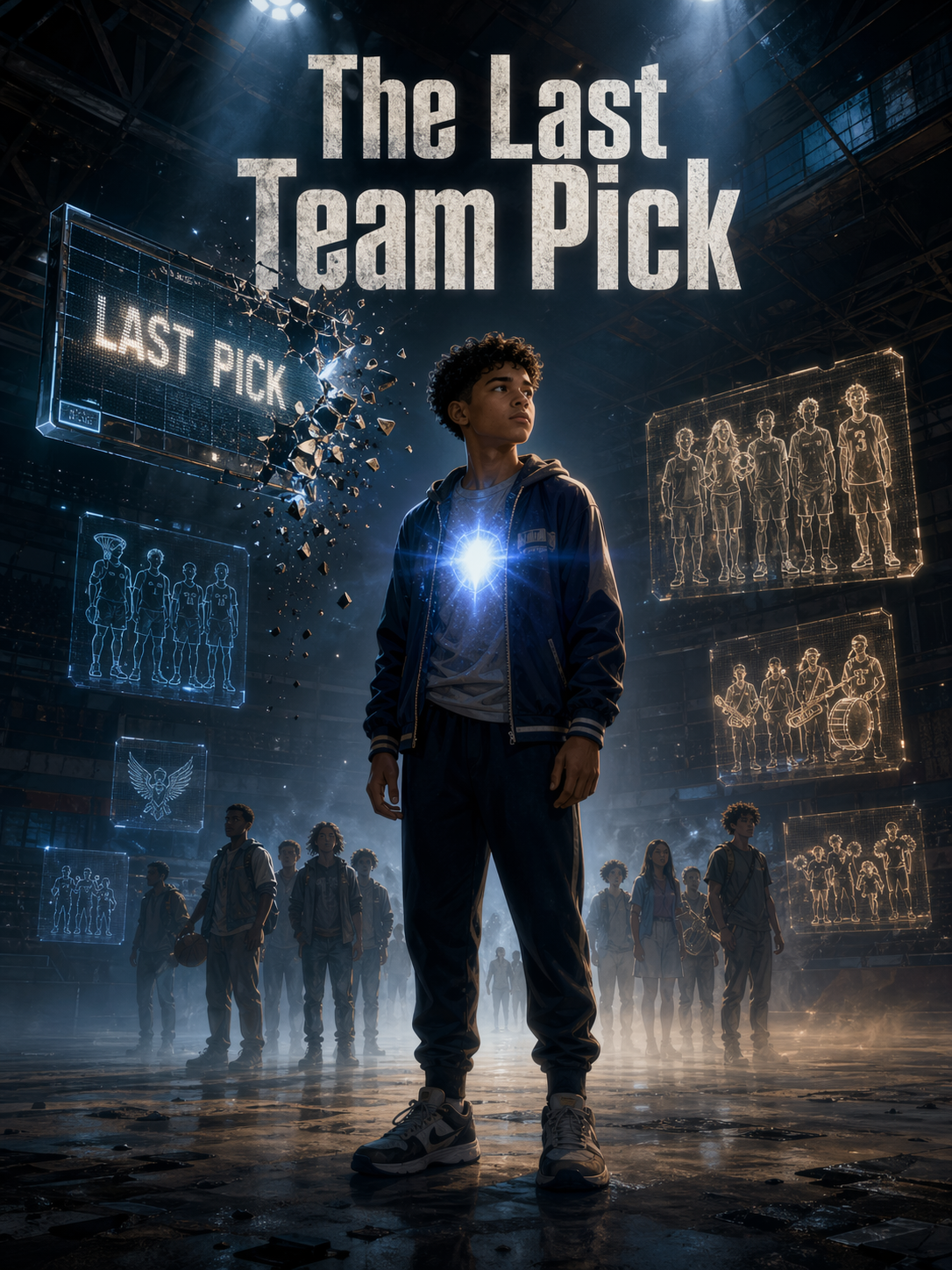
The Magic of Seeing Themselves
Imagine six-year-old Amara's eyes widening with delight as the animated story begins. She hears her own name spoken in the opening narration and sees a character on screen who looks just like her, embarking on a fantastical adventure. For Amara, this isn't just another story—it's her story, where she is the hero capable of courage and grace. This moment is not only unforgettable but foundational in shaping her self-identity.
The American Academy of Pediatrics highlights the importance of play in child development, noting that narrative play helps children make sense of the world and their place within it. Through storytelling, children learn to navigate their own experiences and emotions, seeing possibilities beyond their immediate reality.
Personalized storytelling like Amara's transformative moment empowers children to explore their identity in a safe, supportive environment. It’s a powerful reminder that stories are more than mere entertainment; they are crucial components of identity formation and emotional growth.
Why Personalization Matters in Children's Stories
Reading Rockets emphasizes the developmental value of children seeing themselves represented in stories. When a child sees their likeness reflected in a narrative, it reinforces the belief that their experiences are worthy of storytelling, igniting imagination and encouraging self-worth.
Personalized stories allow for a unique connection that standard narratives often lack. It bridges the gap between reality and imagination, offering children a glimpse into their potential. When a story recognizes a child's individuality, it celebrates their uniqueness, fostering a sense of belonging and empowerment.
This personalized approach in storytelling is not just about adding a child's name; it's about weaving their traits and experiences into the narrative fabric. It’s an identity-building exercise, reminding children that their personal stories matter as much as the fantastical ones they love.
The Role of Imaginative Play in Development
The National Association for the Education of Young Children (NAEYC) highlights play as a critical element in early childhood development. Through imaginative play, children develop cognitive and social skills, learning to problem-solve and empathize with others.
Storytelling embedded in play scenarios further enhances these developmental aspects. When children are immersed in a world where they are the protagonists, they gain an understanding of narrative structure and emotional arcs, which can reinforce their real-life problem-solving abilities.
As children create and inhabit worlds of their own making, they learn to express themselves more fully. This self-expression is essential for identity formation, as children begin to see themselves as capable creators and narrators of their own life stories.
The Science Behind Storytelling and Brain Development
Harvard University's Center on the Developing Child underscores the importance of 'serve and return' interactions—dynamic exchanges between children and caregivers. Storytelling is a practical example of this interaction, nurturing a child's developing brain through engagement and response.
When a child engages with a personalized story, their brain is actively participating in a complex process of making connections. The narrative serves as a catalyst for understanding and integrating new information, fostering emotional and cognitive growth.
This brain development aspect is not just about entertainment; it's a foundation for lifelong learning and emotional resilience. Personalized storytelling, therefore, becomes a tool not only for enjoyment but for essential developmental support.
Building Confidence Through Storytelling
Confidence is a byproduct of seeing oneself reflected in a positive light. When children experience narratives that position them as capable and adventurous, they are more likely to carry these beliefs into their daily lives.
PBS KIDS for Parents points out the importance of storytelling in developing literacy and language skills. By interacting with stories that highlight their strengths, children build a vocabulary of self-assurance and possibilities.
This exposure helps children develop a strong sense of self, empowering them to approach challenges with curiosity and resilience. Personalized stories are not just tales; they are blueprints for building a confident, self-assured individual.
The Impact of Storytelling on Emotional Intelligence
Storytelling is a conduit for exploring emotions safely. Children who engage with narratives that mirror their feelings and experiences develop a better understanding of their emotional world.
The American Academy of Pediatrics suggests that storytelling aids in emotional regulation and empathy development. When children see characters navigate complex emotions, they learn to identify and articulate their feelings.
A personalized narrative goes a step further by validating the child's own emotional journey. It provides a mirror that reflects not just their actions but their emotions, fostering a deeper connection to their internal landscape.
Crafting Memories That Last
Personalized storytelling isn't just impactful in the moment; it creates lasting memories that children carry with them. These stories become part of the child’s personal lore, revisited in moments of need or nostalgia.
NAEYC stresses the importance of repeated exposure to stories that matter. When children hear their own stories, it becomes a ritual of self-affirmation, reinforcing their sense of identity each time they engage with it.
By embedding personal details into a narrative, parents are gifting their children a timeless keepsake—a story that grows with them, providing comfort and encouragement throughout their lives.
How Mero Bridges Imagination and Reality
Mero understands the power of seeing oneself as a hero and brings that magic to life through personalized animated stories. By incorporating children's names, traits, and experiences, Mero crafts narratives that resonate on a deeply personal level.
Each Mero film is a celebration of the child's uniqueness, blending cinematic storytelling with personal elements to create a transformative experience. It's an approach that turns imagination into a tool for identity exploration and affirmation.
Parents who choose Mero are not just investing in a story—they are investing in a narrative that recognizes and honors their child's individuality. It’s a profound acknowledgment that the child’s story is as valuable as any other.
Storytelling as Identity Preservation
Every story a child hears contributes to their sense of self. Personalized storytelling ensures that the narratives children internalize are as diverse and vivid as they are.
Reading Rockets reports that children who see themselves in stories develop a healthier self-image and cultural identity. These narratives validate their experiences and offer a platform for self-expression and understanding.
At the heart of Mero's mission is the belief that personalization is not about decoration but about identity preservation. It acknowledges the child’s inherent value and places them at the center of their own narrative universe, ensuring they are seen, heard, and celebrated.
The Future of Storytelling: Personalized and Inclusive
In a world where stories have the power to shape futures, personalized storytelling stands out as an essential tool for inclusion and representation.
As more families recognize the importance of personal narratives, the demand for stories that reflect children's realities will continue to grow. This shift towards personalized, inclusive storytelling marks a new era where every child has the opportunity to be the hero of their own story.
Mero is at the forefront of this movement, offering narratives that not only entertain but empower. By prioritizing personalization, Mero ensures that every child’s story is told with the warmth, care, and creativity it deserves.
Frequently asked questions
How does seeing themselves as the hero of a story help a child?
Children build identity partly through narrative — the stories they hear shape how they see themselves. When a child becomes the literal hero of a film, with their own name, their own face, their own character traits in the script, it reinforces the felt sense that their experiences are worth telling. Reading Rockets, Zero to Three, and the American Academy of Pediatrics all point to the developmental value of children seeing themselves represented in stories.
What age should I introduce personalized stories to my child?
There's no minimum, but the way it lands depends on the age. Toddlers (1-3) respond best to short, soothing bedtime films. Children 4-7 grasp the "hero is me" idea and love the reveal. Children 8-12 engage with more complex emotional themes. Teens 13-17 respond to coming-of-age narratives that take their inner life seriously. Mero has stories across all of these.
Are personalized story films screen time worth allowing?
A 1-2 minute personalized film a few times a week is in a different category from open-ended algorithmic video. It's a finite, intentional, family-shared experience tied to your specific child's identity. The American Academy of Pediatrics recommends parents focus less on raw minutes and more on the quality of what kids watch and whether parents engage with them around it.
How long does it take to receive a Mero personalized story film?
Standard delivery is 7 days from the moment you submit your child's details. If you need it sooner for a birthday, holiday, or special event, an expedited rush option is available at checkout. Every film is hand-crafted, so the timeline is shorter than people usually expect for a fully personalized cinematic short.
What ages is a Mero film suitable for?
Mero films span the full childhood arc, from gentle 1-3 minute bedtime stories for toddlers up to coming-of-age cinematic shorts for teens aged 14-17. Each story in the catalog has its own age range, and parents pick the one that fits their child's developmental stage and emotional moment.
How is a Mero film delivered?
You receive a high-quality MP4 video file by email plus a secure private streaming link, so you can play it on a phone, TV, or laptop and share it with grandparents and friends. The matching digital storybook (included with paid film plans) is delivered as a private digital link — there's no physical book mailed today.
Create Your Child's Personalized Story
Transform your child's imagination into a personalized cinematic adventure. Start crafting their unique story today.
Create Now