Understanding the Role of Reading Aloud
Reading aloud is not just a delightful pastime but a crucial element in a child's development. It's an interactive experience that goes beyond the mere act of reading. According to Reading Rockets, reading aloud helps build comprehension and language skills, establishing a strong foundation for literacy.
The process involves more than just listening; it encourages children to visualize, interpret, and engage with stories. This interaction helps children understand new concepts and expands their vocabulary significantly, making it a critical educational tool.
Moreover, when parents read aloud, they model expressive reading, which can inspire a love for storytelling in children. This love can translate into a lifelong appreciation for books, enhancing their educational journey.
Cognitive Benefits of Reading Aloud
Reading aloud plays a pivotal role in cognitive development. It stimulates brain areas related to language and imagination, fostering critical thinking skills. The Center on the Developing Child at Harvard University emphasizes the importance of 'serve and return' interactions, where a child and caregiver engage reciprocally. Reading aloud embodies this, inviting children to ask questions and think critically about stories.
When children hear stories, they learn to predict outcomes, identify patterns, and understand consequences. This cognitive engagement helps build problem-solving skills and enhances memory, facilitating better learning in school and beyond.
Additionally, reading aloud provides an opportunity for children to hear complex sentence structures and new words in context, promoting linguistic skills that are crucial for academic success.
Emotional and Social Benefits
Reading aloud isn't just about cognitive development; it also nurtures emotional growth. When children hear stories about diverse characters and scenarios, they learn empathy by considering others' feelings and viewpoints.
According to Reading Rockets, stories about kindness and bravery help children internalize these values. They see themselves in the characters, making it easier to relate to real-world situations. This emotional engagement promotes social skills and helps children manage their emotions effectively.
Furthermore, reading aloud offers a comforting routine for children, reinforcing security and trust between parent and child. It becomes a precious bonding moment that strengthens family ties and creates lasting memories.
Fostering a Love for Reading
Developing a love for reading starts with the read-aloud experience. When children associate books with positive emotions, they are more likely to pick up reading as a habit. This love for books can blossom into a lifelong passion for learning.
Reading aloud introduces children to a wide range of genres and writing styles, expanding their literary horizons. This exposure not only enhances their knowledge but also ignites curiosity and a desire to explore new topics.
Parents can further this love by choosing stories that reflect their child's interests, making each reading session a personalized adventure that captures their imagination and attention.
Creating a Story-Based Family Ritual
Incorporating reading aloud into daily routines transforms it into a cherished family ritual. This practice can be as simple as a bedtime story or a morning read. Such rituals provide consistency and stability, important elements in a child's life.
Reading Rockets mentions that shared reading experiences can heighten the joy of storytelling, making it a family bonding activity. These moments provide opportunities to discuss story themes and characters, deepening family connections.
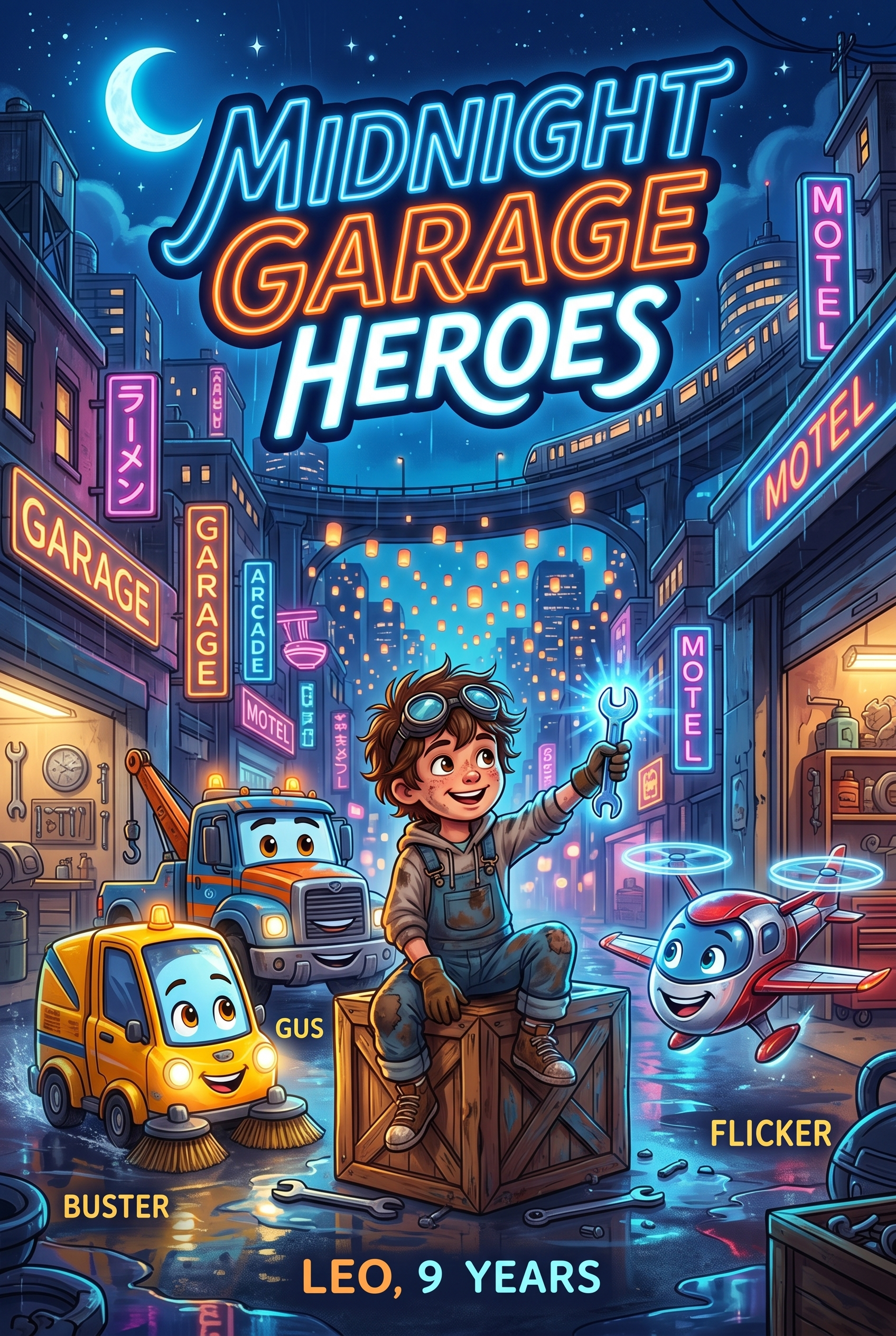
For families looking to enhance this experience, personalized story films like those from Mero can add a cinematic dimension to stories, making the child the hero of their own narrative and opening up a new way to enjoy stories together.
Using Personalized Stories to Enhance Reading Aloud
Personalized stories take the reading experience to a new level by incorporating elements unique to the child. When a child hears their name or sees a character that looks like them, the story becomes more engaging and meaningful.
Mero specializes in creating personalized cinematic stories that place children at the heart of their own adventures. This personalization helps children build a strong sense of identity and belonging as they see themselves reflected in the stories they love.
These stories are not just about entertainment; they're about reinforcing the child's self-worth and confidence. Seeing themselves as the hero in a narrative validates their experiences and emotions.
The Impact on Language Development
Reading aloud significantly impacts a child's language development. Hearing stories read aloud introduces children to language patterns, grammar, and new vocabulary. This auditory experience supports language acquisition and literacy skills.
According to Reading Rockets, reading aloud helps children decipher sounds and phonetics, which are foundational for learning to read independently. The repetition and rhythm in stories can also aid in memorization and comprehension.
Parents can enhance this learning by choosing diverse story themes that introduce different cultures, ideas, and languages, broadening a child's linguistic and cultural horizons.
Choosing the Right Stories for Your Child
Selecting the appropriate stories is crucial to maximizing the benefits of reading aloud. Stories should align with the child's interests, developmental stage, and comprehension level. Tailoring the content ensures the child remains engaged and invested.
For younger children, stories with repetitive patterns and vivid illustrations support understanding and retention. As children grow, more complex narratives with deeper themes can challenge their thinking and enhance emotional intelligence.
Mero offers a range of story themes such as 'Brave Body' and 'Family Strength', allowing parents to choose narratives that resonate with their child's current phase of life.
How Reading Aloud Supports Academic Success
Reading aloud lays a foundation for academic achievement by strengthening literacy skills essential for school. It supports reading comprehension, critical thinking, and vocabulary acquisition, all crucial for academic success.
The American Academy of Pediatrics highlights that children exposed to frequent reading aloud sessions tend to perform better in school. They exhibit stronger analytical skills and better attention spans, facilitating effective learning.
Moreover, the habit of reading cultivates curiosity and a love for learning, attributes that greatly benefit children throughout their educational journey and beyond.
Integrating Technology with Traditional Reading
In today's digital age, integrating technology with traditional reading can offer a balanced approach to literacy. Personalized story films like Mero's provide a tech-savvy alternative that complements traditional reading habits.
These digital narratives bring stories to life, enhancing engagement through visual and auditory stimuli. They serve as an excellent supplement to reading aloud, offering diversity in how stories are experienced.
This combination of traditional and digital methods caters to different learning styles, ensuring that each child can enjoy stories in a format that suits them best.
Overcoming Barriers to Reading Aloud
Despite its benefits, some parents may face barriers to reading aloud, such as time constraints or lack of confidence in reading skills. Understanding these challenges is the first step to overcoming them.
Parents can start small, incorporating short story sessions into daily routines. Utilizing resources like audiobooks or personalized films can also supplement these efforts, easing the pressure on parents.
Building a supportive community around reading, such as a book club or library visits, can further enhance this experience, providing parents and children with opportunities to engage with stories collaboratively.
Conclusion: The Enduring Benefits of Reading Aloud
Reading aloud is a powerful tool in nurturing a child's cognitive, emotional, and social development. It is a timeless practice that brings families together, enriches children's lives, and sets the stage for academic success.
As children grow and evolve, so too can the stories you share with them. Personalized story films from Mero can enhance this journey by making your child the hero of their own cinematic adventure, fostering a deeper connection to storytelling.
Embrace the world of reading aloud with your child, knowing that each story shared is a step towards a more literate, empathetic, and connected future.
Frequently asked questions
How does seeing themselves as the hero of a story help a child?
Children build identity partly through narrative — the stories they hear shape how they see themselves. When a child becomes the literal hero of a film, with their own name, their own face, their own character traits in the script, it reinforces the felt sense that their experiences are worth telling. Reading Rockets, Zero to Three, and the American Academy of Pediatrics all point to the developmental value of children seeing themselves represented in stories.
What age should I introduce personalized stories to my child?
There's no minimum, but the way it lands depends on the age. Toddlers (1-3) respond best to short, soothing bedtime films. Children 4-7 grasp the "hero is me" idea and love the reveal. Children 8-12 engage with more complex emotional themes. Teens 13-17 respond to coming-of-age narratives that take their inner life seriously. Mero has stories across all of these.
Are personalized story films screen time worth allowing?
A 1-2 minute personalized film a few times a week is in a different category from open-ended algorithmic video. It's a finite, intentional, family-shared experience tied to your specific child's identity. The American Academy of Pediatrics recommends parents focus less on raw minutes and more on the quality of what kids watch and whether parents engage with them around it.
How long does it take to receive a Mero personalized story film?
Standard delivery is 7 days from the moment you submit your child's details. If you need it sooner for a birthday, holiday, or special event, an expedited rush option is available at checkout. Every film is hand-crafted, so the timeline is shorter than people usually expect for a fully personalized cinematic short.
What ages is a Mero film suitable for?
Mero films span the full childhood arc, from gentle 1-3 minute bedtime stories for toddlers up to coming-of-age cinematic shorts for teens aged 14-17. Each story in the catalog has its own age range, and parents pick the one that fits their child's developmental stage and emotional moment.
How is a Mero film delivered?
You receive a high-quality MP4 video file by email plus a secure private streaming link, so you can play it on a phone, TV, or laptop and share it with grandparents and friends. The matching digital storybook (included with paid film plans) is delivered as a private digital link — there's no physical book mailed today.
Create Your Child's Hero Story
Transform your child's favorite storytime into a personalized cinematic adventure today.
Create Now