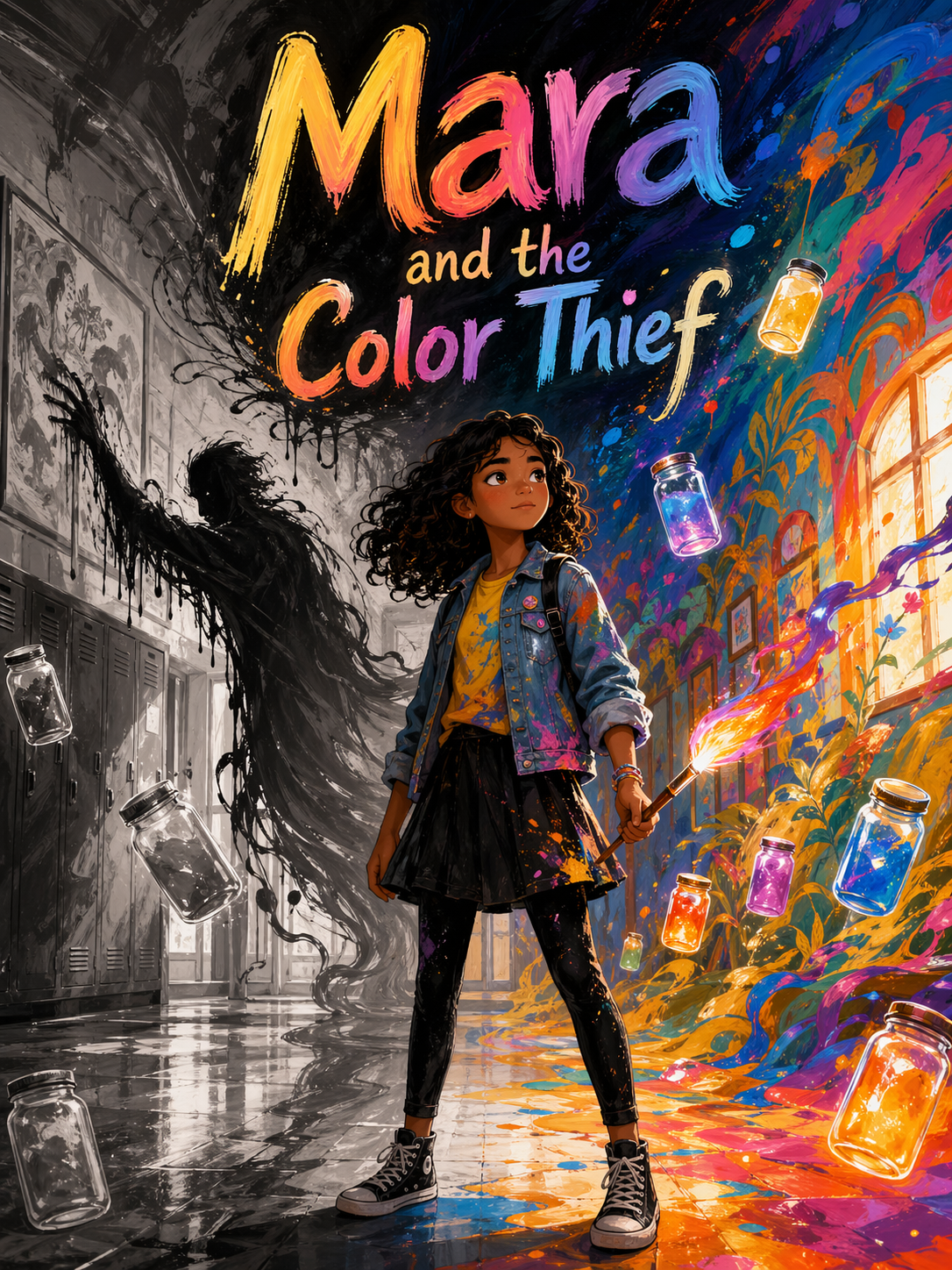
The First Time a Child Sees Themselves as a Hero
When 7-year-old Lucas first heard his name echoed through the soft glow of the screen, his eyes widened, and the room seemed to hold its breath. The animated character on the screen, with brown hair tousled just like his, was embarking on an adventure only Lucas could lead. His parents watched as a smile spread across his face—a moment as magical as the story itself, revealing the power of imaginative play.
Imaginative play, as highlighted by the American Academy of Pediatrics, is not just a pastime; it's a critical component in child development. It's in these make-believe moments that children begin to understand their world and place within it. By seeing themselves as active participants, they build confidence and a sense of identity.
As Lucas's adventure unfolded, his role as the hero was more than entertainment—it was an invitation to explore, imagine, and believe in his own potential. This moment illustrates how personalized storytelling can be a deeply affirming experience for children.
Storytelling as a Tool for Identity Building
Stories have always been a way to pass down knowledge, values, and culture. For children, seeing themselves reflected in a narrative is profoundly influential. According to the American Academy of Pediatrics, stories help shape a child's understanding of their identity and place in the world.
Personalized storytelling, such as Mero's films, takes this a step further by actively involving the child in the narrative. When a story includes a child's name, traits, and experiences, it emphasizes that their life is a story worth telling. It becomes more than just a tale; it becomes a reflection of who they are.
This kind of storytelling nurtures self-esteem and empathy, as children start to see themselves in various roles and perspectives. By becoming the hero of their own story, children learn that their actions and choices are significant, reinforcing the idea that their unique identity is valuable.
The Role of Imagination in Child Development
Imagination is a powerful tool in childhood development, giving children the ability to innovate, problem-solve, and empathize. As highlighted by the National Association for the Education of Young Children (NAEYC), imaginative play allows children to experiment with decision-making and explore different aspects of their personalities.
Personalized story films like those from Mero encourage this form of play. When a child sees a character that looks and acts like them, it empowers them to imagine their own possibilities and future. This form of imaginative engagement is particularly impactful in early childhood, setting the stage for lifelong learning and curiosity.
Through such personalized narratives, children are given the keys to unlock their potential, fostering creativity and resilience. These stories are not just entertainment; they're a vital part of learning, discovery, and growth.
Why Personalized Storytelling Matters
In a world filled with generic media, personalized storytelling stands out as a meaningful alternative. Mero films bring a child's world to life by integrating their personal experiences into the narrative. This type of storytelling matters because it validates a child's experiences and emotions.
PBS KIDS for Parents notes that children who see themselves in stories develop better literacy skills and a deeper understanding of narrative structures. By engaging directly with stories where they are the central character, children gain a more nuanced appreciation of storytelling and its power.
Beyond literacy, personalized storytelling reinforces the idea that every child's story is unique and valuable, helping them grow into individuals who appreciate diversity and understand their place within it.
Engaging with Stories Across Different Ages
The impact of a personalized story grows with the child. Mero's diverse catalog of stories caters to a wide age range, from simple bedtime stories for toddlers to complex coming-of-age narratives for teens.
For younger children, the allure lies in the simple joy of being seen and acknowledged in a story. As they grow, personalized narratives help them navigate more complex emotions and social situations, offering comfort and insight.
Each age group finds something unique in their stories, whether it's the thrill of adventure, the challenge of overcoming obstacles, or the joy of family connections. By providing age-appropriate content, Mero ensures that each story resonates deeply, supporting the child at every stage.
The Benefits of Seeing Themselves in Stories
When children see themselves reflected in their stories, it boosts their confidence and sense of belonging. According to Reading Rockets, representation in stories helps children understand that their experiences and emotions are valid and shared.
This sense of belonging can be especially reassuring for children who feel different or isolated. Personalized stories show them that their uniqueness is a strength, not a barrier. They learn that their identity is something to be proud of and celebrated.
By offering personalized narratives, Mero films provide children with a sense of visibility and validation that standard stories cannot. This reinforces the understanding that their story, with all its uniqueness, is worth telling.
Why Personalization Is More Than Decoration
Personalization in storytelling is not just an embellishment—it is an essential aspect of identity formation. By placing a child at the center of their own story, Mero films reinforce their understanding of their own value and potential.
The American Academy of Pediatrics emphasizes the role of play in developing self-awareness and confidence. Personalized stories that reflect a child's individuality teach them that their thoughts and actions matter, fostering a strong sense of self.
This isn't about simply adding a name to a story; it's about creating a narrative space where a child feels seen, heard, and important. Personalized stories are a powerful tool in helping children articulate and embrace their identities.
The Role of Parents in Storytelling
Parents play a crucial role in the storytelling process. By choosing personalized stories for their children, they affirm their child's identity and experiences. Reading a story where the child is the hero is a shared journey that strengthens familial bonds.
PBS KIDS for Parents recommends that parents engage with their children during storytelling, discussing the emotions and actions of the characters. This interaction not only enhances the storytelling experience but also supports emotional development.
By actively participating in personalized storytelling, parents help their children navigate their feelings and experiences, creating a nurturing environment where imagination and identity thrive.
The Future of Storytelling with Mero
As technology evolves, so does the potential for storytelling. Mero is at the forefront of this evolution, offering personalized films that adapt to the unique traits and experiences of each child.
This innovative approach to storytelling highlights the potential of digital media to create meaningful and impactful experiences. Mero's commitment to personalization ensures that each child's story is told with care and creativity.
The future of storytelling is one where every child can see themselves as the hero, fostering a generation of confident, self-aware individuals ready to embrace their unique identities.
Connecting Identity and Imagination
Imagination and identity are intricately connected. By exploring personalized stories, children learn to imagine themselves in different roles and scenarios, expanding their understanding of who they can become.
NAEYC emphasizes the importance of imaginative play in helping children explore different facets of their personalities and abilities. Mero's personalized films offer a platform for this exploration, encouraging children to dream big and embrace their individuality.
In these narratives, children find the freedom to imagine their futures, explore their identities, and understand their place in the world. Personalized storytelling is an invitation to imagine, explore, and grow.
Frequently asked questions
How does seeing themselves as the hero of a story help a child?
Children build identity partly through narrative — the stories they hear shape how they see themselves. When a child becomes the literal hero of a film, with their own name, their own face, their own character traits in the script, it reinforces the felt sense that their experiences are worth telling. Reading Rockets, Zero to Three, and the American Academy of Pediatrics all point to the developmental value of children seeing themselves represented in stories.
What age should I introduce personalized stories to my child?
There's no minimum, but the way it lands depends on the age. Toddlers (1-3) respond best to short, soothing bedtime films. Children 4-7 grasp the "hero is me" idea and love the reveal. Children 8-12 engage with more complex emotional themes. Teens 13-17 respond to coming-of-age narratives that take their inner life seriously. Mero has stories across all of these.
Are personalized story films screen time worth allowing?
A 1-2 minute personalized film a few times a week is in a different category from open-ended algorithmic video. It's a finite, intentional, family-shared experience tied to your specific child's identity. The American Academy of Pediatrics recommends parents focus less on raw minutes and more on the quality of what kids watch and whether parents engage with them around it.
How long does it take to receive a Mero personalized story film?
Standard delivery is 7 days from the moment you submit your child's details. If you need it sooner for a birthday, holiday, or special event, an expedited rush option is available at checkout. Every film is hand-crafted, so the timeline is shorter than people usually expect for a fully personalized cinematic short.
What ages is a Mero film suitable for?
Mero films span the full childhood arc, from gentle 1-3 minute bedtime stories for toddlers up to coming-of-age cinematic shorts for teens aged 14-17. Each story in the catalog has its own age range, and parents pick the one that fits their child's developmental stage and emotional moment.
How is a Mero film delivered?
You receive a high-quality MP4 video file by email plus a secure private streaming link, so you can play it on a phone, TV, or laptop and share it with grandparents and friends. The matching digital storybook (included with paid film plans) is delivered as a private digital link — there's no physical book mailed today.
Create a Personalized Story Today
Bring your child's imagination to life with a Mero personalized film, where they are the hero of their own story. Start creating today!
Create Your Mero Film