The Joy and Significance of Reading Aloud
Reading aloud is more than just a bedtime ritual; it's a precious gift of time and attention that brings stories to life for a child. Whether it's the comforting sound of a parent's voice at the end of a long day or an animated storytelling session on a rainy afternoon, the act of reading aloud holds significant value.
Reading Rockets emphasizes that reading aloud to children not only helps build comprehension but also introduces them to the rhythms and patterns of language. This auditory exposure primes young minds for their own literacy journey, making the process of learning to read more intuitive and enjoyable.
The magic of reading aloud lies in its ability to transport children into worlds unseen and introduce them to characters who become their friends. When parents read, they convey not just words, but the emotions attached to them, helping children develop empathy and understanding for others.
Building Blocks of Literacy and Language Skills
Reading aloud is a cornerstone of early literacy development. According to Reading Rockets, it plays a critical role in expanding a child's vocabulary and understanding of language structure. Words heard in context help children grasp meanings and nuances that might elude them in isolation.
Early Literacy Development studies highlight how regular exposure to stories through reading aloud can accelerate a child's grasp of phonics, fluency, and comprehension. By listening, children learn to recognize sounds and patterns, making them more adept at decoding words once they begin to read independently.
This foundational literacy skill set is not just beneficial academically. It sets up children for a lifetime of learning, critical thinking, and communication—skills that are invaluable in academic settings and beyond.
Fostering Imagination and Creativity
Imagination is a child's superpower, and reading aloud is one of the best ways to nurture it. Storytelling invites children to envision characters, settings, and adventures beyond their physical surroundings, thus broadening their horizons and sparking creativity.
Reading Rockets discusses how narrative stories captivate a child's mind, encouraging them to ask questions, predict outcomes, and even create their own stories inspired by what they've heard. This engagement is pivotal in keeping imagination alive and active as children grow.
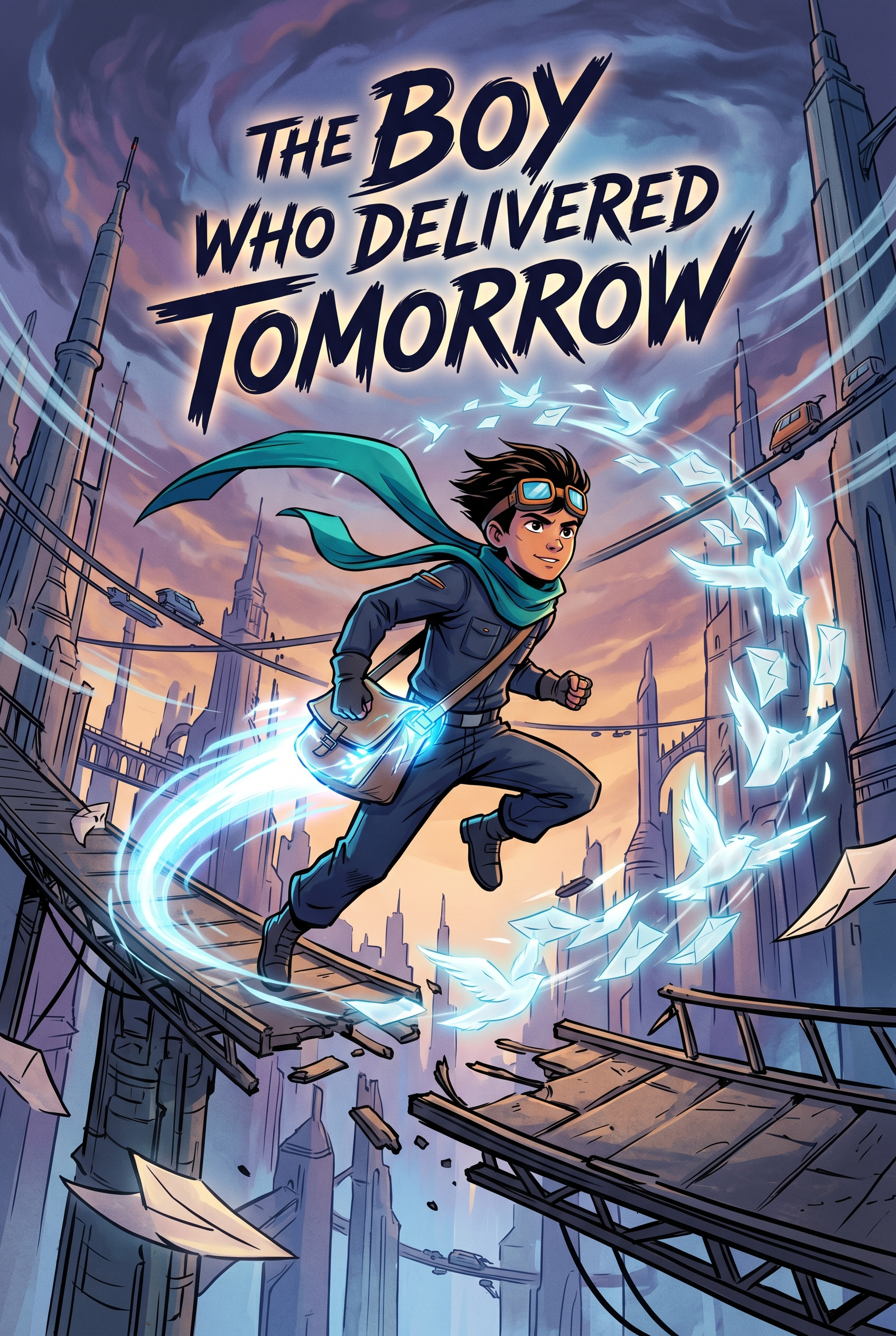
When children see themselves in stories, especially personalized ones where they are the hero, it enhances their creative thinking. The stories offer different perspectives and scenarios, teaching them to use imagination to solve problems and dream boldly.
Strengthening Emotional Bonds and Family Rituals
The simple act of reading aloud can forge strong emotional bonds between children and parents or caregivers. It's a shared experience that becomes a cherished family ritual, offering both parties a sense of security and love.
Reading with Your Child from Reading Rockets highlights how these moments of closeness foster communication and provide parents with a unique insight into their child's thoughts and feelings. It becomes a time to discuss themes, explore emotions, and share laughter.
Families who incorporate reading aloud into their routines often report a stronger sense of connection. It's a time for parents to be present, unplugged, and entirely focused on their child, creating memories that last a lifetime.
Cultivating a Lifelong Love for Stories
Children who are regularly read to are more likely to develop a lifelong love for reading. This enthusiasm for stories can translate into a desire for continuous learning and exploration through books and other narrative forms.
According to Reading Rockets, children who enjoy being read to are often more motivated to pick up books themselves, fostering independent reading habits. This intrinsic motivation is crucial, as voluntary reading is linked to higher academic achievement and better overall literacy skills.
A child's love for stories could manifest in different ways—from writing their own tales to being excited about literature classes at school. The act of reading aloud lays the foundation for this passion, making it a critical component in a child’s educational journey.
Enhancing Cognitive Development
Reading aloud isn't just about improving language skills; it's also a powerful tool for enhancing cognitive development. The Center on the Developing Child at Harvard University emphasizes the importance of 'serve and return' interactions, which occur naturally during storytime.
These interactions involve the back-and-forth exchange between parent and child, where the child listens, processes, and responds to the story being read. This not only aids in understanding but also strengthens neural connections in the brain, boosting memory, attention, and critical thinking.
By engaging in these interactions, children learn to think logically, make connections, and apply knowledge—all key aspects of cognitive development that support academic success and everyday problem-solving.
Developing Empathy and Emotional Intelligence
One of the remarkable benefits of reading aloud is the development of empathy and emotional intelligence in children. Through stories, children encounter characters facing challenges and emotions, offering them a vicarious understanding of diverse human experiences.
Reading Rockets reports that when children engage with stories, they practice stepping into someone else's shoes, which helps them to recognize and understand emotions. This practice is essential for developing empathy, an understanding that extends beyond books to real-life interactions.
Emotional intelligence is a predictor of success in personal and professional spheres. By fostering this trait through reading aloud, parents equip their children with the ability to navigate social complexities, handle emotions, and cultivate positive relationships.
Personalized Story Films: A Modern Spin on Tradition
While traditional books remain beloved, personalized story films offer a fresh and engaging twist on the storytelling tradition. They merge the timeless appeal of narrative with the dynamic qualities of film, making stories even more captivating for children.
When a child sees themselves as the hero of a personalized story film, it reinforces their sense of identity and importance—Reading Rockets highlights this as crucial for self-esteem and development. Mero specializes in this personalized approach, tailoring each film to reflect the child's name, traits, and life moments.
These films are not just screen time; they are intentional story experiences that families can enjoy together. Like reading aloud, they invite participation and discussion, making them a valuable addition to family storytelling rituals.
Choosing the Right Storytelling Approach for Your Child
Every child is unique, and so are their story preferences. Some enjoy the tactile experience of flipping through a book's pages, while others are mesmerized by the visual and auditory elements of a story film.
When selecting a storytelling approach, consider your child's age, interests, and developmental stage. Younger children may find animated films more engaging, while older children might appreciate the depth and nuances of longer narratives.
Mero offers a range of personalized storytelling options, from digital storybooks to cinematic films, ensuring there is something for every child's taste. These personalized experiences can make storytime more impactful and memorable, nurturing a child's love for stories in a way that resonates with them.
Integrating Storytelling into Daily Life
Integrating storytelling into daily life doesn't have to be a grand gesture. Simple, consistent efforts can weave stories into the fabric of family life, creating a nurturing environment for children to thrive.
Reading Rockets suggests setting aside dedicated time for reading aloud, whether as a winding-down activity before bed or an energizing start to the day. Consistency helps establish the routine as an anticipated part of family life.
Beyond books and films, storytelling can be part of everyday conversations. Share stories from your childhood, invent new tales together, or retell favorite movie plots. These practices enrich language skills and keep the love for storytelling alive.
Guiding Parents Through the Storytelling Journey
Parents play a pivotal role in introducing and cultivating a love for stories in their children. The journey is filled with opportunities to adapt and evolve as children grow and their preferences change.
Seek resources and guides that offer insights into effective storytelling practices. Reading Rockets provides a wealth of information on tailoring reading strategies to fit your child's unique needs and interests.
Mero’s personalized story films offer another layer to this journey, providing a personalized experience that echoes the unique traits and experiences of each child. By embracing both traditional and modern storytelling approaches, parents can create a rich, diverse narrative environment for their children.
Frequently asked questions
How does seeing themselves as the hero of a story help a child?
Children build identity partly through narrative — the stories they hear shape how they see themselves. When a child becomes the literal hero of a film, with their own name, their own face, their own character traits in the script, it reinforces the felt sense that their experiences are worth telling. Reading Rockets, Zero to Three, and the American Academy of Pediatrics all point to the developmental value of children seeing themselves represented in stories.
What age should I introduce personalized stories to my child?
There's no minimum, but the way it lands depends on the age. Toddlers (1-3) respond best to short, soothing bedtime films. Children 4-7 grasp the "hero is me" idea and love the reveal. Children 8-12 engage with more complex emotional themes. Teens 13-17 respond to coming-of-age narratives that take their inner life seriously. Mero has stories across all of these.
Are personalized story films screen time worth allowing?
A 1-2 minute personalized film a few times a week is in a different category from open-ended algorithmic video. It's a finite, intentional, family-shared experience tied to your specific child's identity. The American Academy of Pediatrics recommends parents focus less on raw minutes and more on the quality of what kids watch and whether parents engage with them around it.
How long does it take to receive a Mero personalized story film?
Standard delivery is 7 days from the moment you submit your child's details. If you need it sooner for a birthday, holiday, or special event, an expedited rush option is available at checkout. Every film is hand-crafted, so the timeline is shorter than people usually expect for a fully personalized cinematic short.
What ages is a Mero film suitable for?
Mero films span the full childhood arc, from gentle 1-3 minute bedtime stories for toddlers up to coming-of-age cinematic shorts for teens aged 14-17. Each story in the catalog has its own age range, and parents pick the one that fits their child's developmental stage and emotional moment.
How is a Mero film delivered?
You receive a high-quality MP4 video file by email plus a secure private streaming link, so you can play it on a phone, TV, or laptop and share it with grandparents and friends. The matching digital storybook (included with paid film plans) is delivered as a private digital link — there's no physical book mailed today.
Create Your Child's Personalized Story Film
Invite your child into a world where they are the hero of their own cinematic adventure with Mero.
Create Now