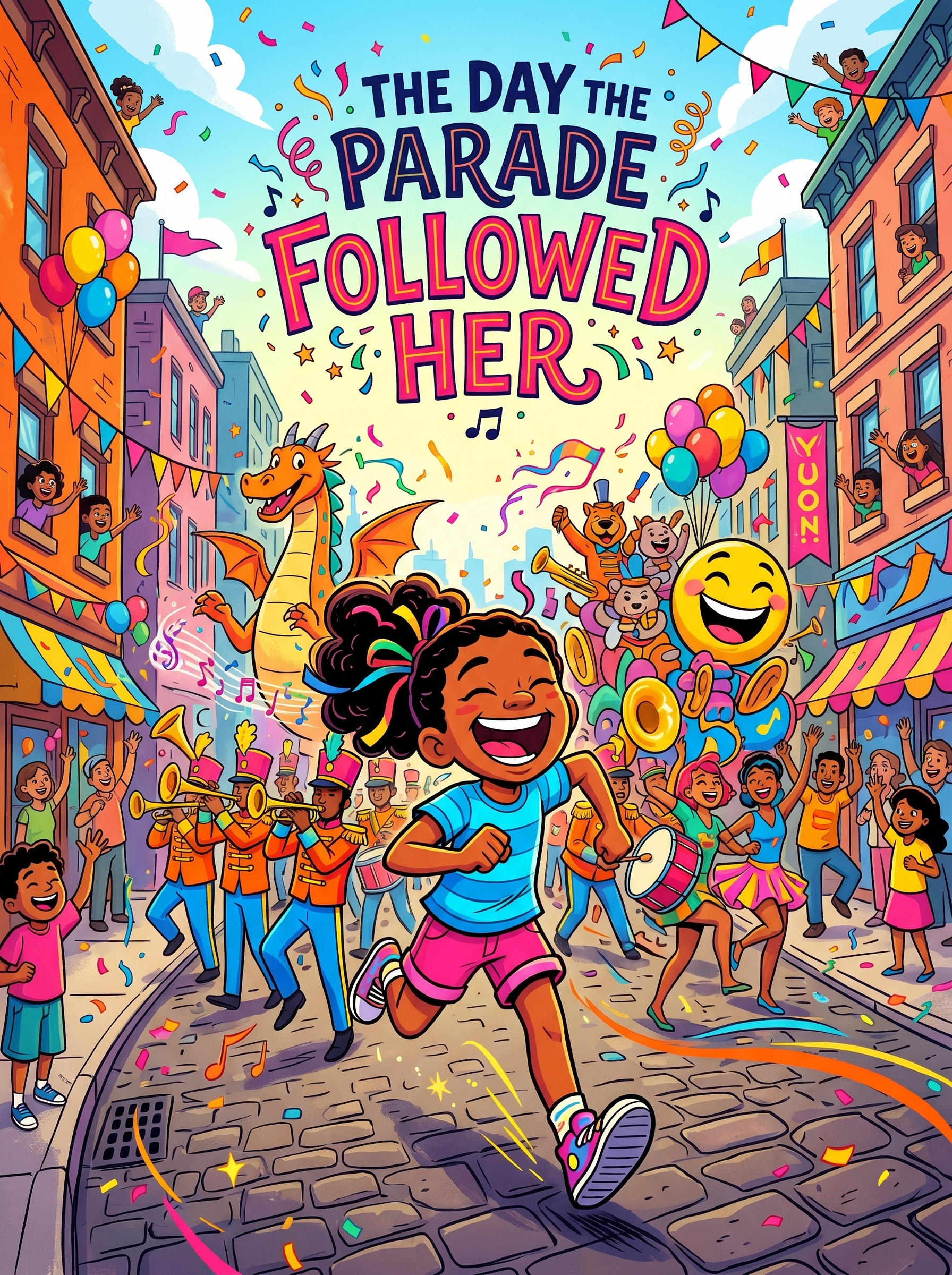
Understanding the Importance of Reading Aloud
Reading aloud is more than just a nightly routine; it's a bridge to literacy and emotional development. According to Reading Rockets, this practice enhances comprehension and vocabulary while engaging children in a shared experience that supports listening skills and attention span.
The act of reading aloud introduces children to the nuances of language, helping them differentiate between words and comprehend context. As children listen, they absorb the rhythm and sounds of language, paving the way for literacy.
Beyond the linguistic benefits, reading aloud fosters a deep connection between parent and child, creating cherished memories. It's a moment where the world outside pauses, and imagination takes the lead.
Cognitive and Language Benefits
Reading aloud to children provides a boost to cognitive development. It’s a dynamic interplay where children learn to process information, predict outcomes, and understand complex narratives. The Center on the Developing Child at Harvard University highlights how these 'serve and return' interactions shape brain circuitry, laying the foundation for future learning.
Language acquisition is another significant benefit. As children hear words spoken aloud, they start to pick up on the rhythm, phonetics, and syntax of language, which is crucial for developing strong reading skills later on.
By engaging in this activity, children expand their vocabulary and comprehension, which are essential skills for academic success. Each story is a new adventure that adds to their understanding of the world.
Emotional and Social Development
Stories have the power to evoke emotions, and reading aloud is an excellent way for children to explore and understand their feelings. Through characters and plots, children learn about empathy, compassion, and social dynamics.
As Reading Rockets emphasizes, discussing stories and characters helps children understand different perspectives and emotions, promoting social awareness and emotional intelligence.
This shared activity also strengthens the parent-child bond. It provides a safe space for children to ask questions and express their thoughts, paving the way for open communication.
Creating Lasting Family Rituals
Family rituals are the heartbeats of the household, providing stability and connection. Reading aloud can become one of these treasured rituals, offering a consistent and comforting conclusion to each day.
These rituals create a sense of belonging and identity within the family structure. They offer a unique opportunity for parents to impart values and traditions through storytelling.
As children grow, these moments become cherished memories, creating a foundation of love and learning that they carry into adulthood.
Choosing the Right Stories for Different Ages
Selecting age-appropriate stories is crucial to maintaining engagement and fostering development. For toddlers, short, rhythmic tales work best, while older children prefer narratives with more complex plots and characters.
Reading Rockets suggests tailoring stories to the child's interests and developmental stage to maximize engagement and comprehension. This personalized approach makes the story more relatable and impactful.
As children mature, incorporating personalized stories where they are the hero enhances their connection to the narrative, reinforcing their sense of identity and self-worth.
The Power of Personalized Stories
Personalized stories, like those offered by Mero, take the concept of reading aloud to a new level by placing children at the center of their narrative. This personalization not only captivates their attention but also strengthens their self-esteem.
When a child hears their name and sees their likeness in a story, it underscores their significance and provides a unique sense of belonging. This is especially potent when the story reflects real-life traits and experiences.
Reading Rockets and other child development experts stress the importance of representation in stories to foster positive identity formation and resilience.
Incorporating Technology Without Compromise
In today’s digital age, incorporating technology into reading practices can enhance the experience without sacrificing quality. Mero’s personalized films offer a digital storytelling avenue that combines the timeless tradition of reading aloud with modern innovation.
These films are designed to keep screen time meaningful and engaging, aligning with guidelines from the American Academy of Pediatrics, which advocates for quality content and shared viewing experiences.
By selectively integrating digital storytelling, families can enjoy the benefits of modern media while maintaining the intimacy and educational value of traditional reading.
Tips for Making Reading Aloud a Daily Habit
Establishing a reading routine doesn’t have to be daunting. Start small and be consistent. Set aside a specific time each day, such as before bed, to make reading aloud a treasured ritual.
Choose a comfortable spot where distractions are minimized, and make it a cozy, inviting space. This helps signal to children that reading time is special and something to look forward to.
Mix it up by incorporating different types of stories, including personalized narratives, classic tales, and even books that align with your child’s current interests. Variety keeps the routine exciting and engaging.
How Personalized Films Enhance Storytelling
Mero personalized films take the storytelling experience to an immersive level, merging narrative with visual artistry. These films transform children into the heroes of their own stories, enhancing engagement and encouraging a deeper connection.
When 6-year-old Amara first heard her own name spoken in the opening narration of her Mero film, her eyes lit up with excitement. This kind of tailored storytelling helps children see themselves as capable and valued.
The integration of a child's personal experiences and traits into the narrative makes the story uniquely theirs, fostering a sense of agency and empowerment.
Supporting Literacy with Interactive Storytelling
Interactive storytelling, such as the personalized approach offered by Mero, supports literacy by encouraging active participation and comprehension. Children become part of the narrative, making predictions and discussing outcomes.
This engagement mirrors the recommendations from Reading Rockets, which advocates for interactive components in reading to bolster comprehension and retention.
By blending visual, auditory, and textual elements, interactive storytelling caters to various learning styles, making it an effective tool for literacy development.
Personal Stories as Tools for Emotional Growth
Personalized stories serve as powerful tools for emotional growth. They allow children to explore and process their feelings within a safe and familiar context, guided by characters they can relate to.
Such stories can mirror a child's own experiences, providing validation and understanding. They offer a framework for discussing emotions and encouraging empathy.
By seeing their struggles and triumphs reflected in the narrative, children gain confidence and emotional resilience, essential skills for navigating the complexities of life.
Integrating Personalized Stories in Educational Settings
Personalized stories aren't just for home—they can be powerful tools in educational settings, too. Teachers can use these narratives to connect with students on a personal level, fostering a supportive learning environment.
Integrating a child’s specific traits and experiences into classroom activities promotes engagement and participation, enhancing the educational impact.
These stories can also serve as a springboard for discussions on diversity, identity, and self-expression, promoting a classroom culture of inclusion and respect.
Frequently asked questions
How does seeing themselves as the hero of a story help a child?
Children build identity partly through narrative — the stories they hear shape how they see themselves. When a child becomes the literal hero of a film, with their own name, their own face, their own character traits in the script, it reinforces the felt sense that their experiences are worth telling. Reading Rockets, Zero to Three, and the American Academy of Pediatrics all point to the developmental value of children seeing themselves represented in stories.
What age should I introduce personalized stories to my child?
There's no minimum, but the way it lands depends on the age. Toddlers (1-3) respond best to short, soothing bedtime films. Children 4-7 grasp the "hero is me" idea and love the reveal. Children 8-12 engage with more complex emotional themes. Teens 13-17 respond to coming-of-age narratives that take their inner life seriously. Mero has stories across all of these.
Are personalized story films screen time worth allowing?
A 1-2 minute personalized film a few times a week is in a different category from open-ended algorithmic video. It's a finite, intentional, family-shared experience tied to your specific child's identity. The American Academy of Pediatrics recommends parents focus less on raw minutes and more on the quality of what kids watch and whether parents engage with them around it.
How long does it take to receive a Mero personalized story film?
Standard delivery is 7 days from the moment you submit your child's details. If you need it sooner for a birthday, holiday, or special event, an expedited rush option is available at checkout. Every film is hand-crafted, so the timeline is shorter than people usually expect for a fully personalized cinematic short.
What ages is a Mero film suitable for?
Mero films span the full childhood arc, from gentle 1-3 minute bedtime stories for toddlers up to coming-of-age cinematic shorts for teens aged 14-17. Each story in the catalog has its own age range, and parents pick the one that fits their child's developmental stage and emotional moment.
How is a Mero film delivered?
You receive a high-quality MP4 video file by email plus a secure private streaming link, so you can play it on a phone, TV, or laptop and share it with grandparents and friends. The matching digital storybook (included with paid film plans) is delivered as a private digital link — there's no physical book mailed today.
Create Your Child's Cinematic Story
Transform reading time into an unforgettable adventure by creating a personalized Mero film.
Start Creating