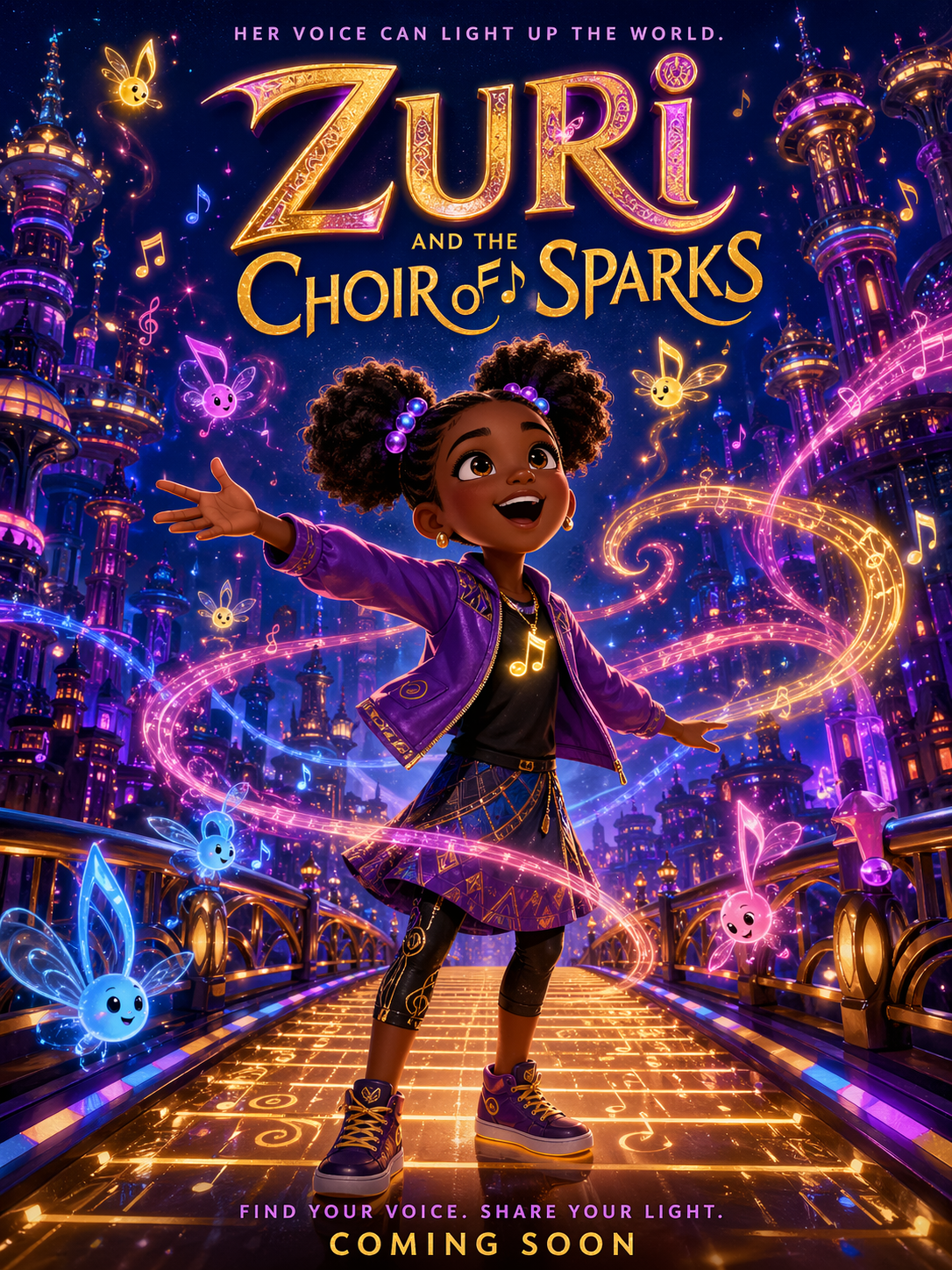
A Child's First Encounter with Their Story
Imagine the moment when six-year-old Amara first heard her own name spoken in the opening narration of a Mero film. Her eyes widened, and a smile spread across her face as she realized she was the star of her own adventure. This simple yet profound experience, where her identity was woven into the fabric of a story, sparked a newfound confidence and joy in her young heart.
For many children like Amara, seeing themselves portrayed as the hero of a story breathes life into their imagination. The impact of such personalized storytelling extends beyond mere entertainment; it becomes a formative experience. The narrative journey they embark on reflects their individuality, reinforcing their sense of worth and belonging.
This powerful moment of recognition underscores the essential role of personalized stories in a child's development. It's a vivid reminder of how these narratives help children understand themselves and their place in the world.
The Importance of Imaginative Play in Child Development
Imaginative play is not just a pastime; it's a crucial component of childhood development. According to the American Academy of Pediatrics, play is fundamental to the cognitive, physical, social, and emotional well-being of children. When children engage in imaginative play, they explore different roles and scenarios, helping to develop empathy, problem-solving skills, and creativity.
Personalized storytelling enhances this natural inclination by anchoring play in narratives that are deeply connected to the child's identity. When a child sees their own unique characteristics reflected in a story, it validates their individuality and encourages them to explore their identity through imagination.
The National Association for the Education of Young Children (NAEYC) emphasizes that when children engage in storytelling where they are the protagonist, it nurtures their ability to express and comprehend emotions. This form of play is not just about fun; it's about building a framework for understanding themselves and others.
Personalization: Bridging Imagination and Identity
Personalized stories are more than just entertainment; they are a bridge connecting a child's imagination to their emerging identity. Unlike generic characters in books or films, a personalized narrative places the child at the center of the story, making their personal journey feel significant and celebrated.
This form of storytelling acknowledges the child's experiences and dreams, creating a personal mythology that is both empowering and educational. Reading Rockets highlights that when children see themselves in stories, they develop a robust sense of self-awareness and confidence.
By weaving a child's unique traits into the narrative fabric, personalized storytelling offers a powerful tool for parents to help their children explore who they are and who they might become. It supports a child's journey of self-discovery, turning the abstract concept of identity into a tangible experience.
Cultivating Creativity Through Personalized Narratives
At its core, personalized storytelling is an invitation to dream. It encourages children to think creatively about their own lives and the world around them. When a story mirrors a child's world and personality, it becomes a fertile ground for creative thinking.
This is particularly important as children grow and their capacity for abstract thought and complex emotions expands. Personalized stories can evolve in complexity to match this developmental progression, offering age-appropriate challenges and themes.
A study from PBS KIDS for Parents suggests that storytelling not only improves literacy skills but also boosts creativity and imagination. By involving children in narratives that are tailor-made for them, we nurture their ability to think inventively and solve problems — skills that are indispensable both in childhood and beyond.
The Role of Storytelling in Building Emotional Intelligence
Storytelling is a powerful tool for fostering emotional intelligence in children. By engaging with stories that reflect their personal experiences and challenges, children learn to identify and manage their emotions more effectively.
Through personalized narratives, children encounter scenarios where they must navigate feelings such as bravery, kindness, and perseverance. This exposure helps them practice empathy and understand the perspectives of others, ultimately enriching their emotional and social understanding.
According to the American Academy of Pediatrics, stories that reflect a child's real-life context can significantly aid in emotional development, offering a safe space for them to explore difficult concepts and feelings.
Creating a Lasting Impact with Mero's Personalized Stories
Mero offers a unique opportunity for children to engage with stories that are not just about them, but for them. These personalized cinematic stories and digital storybooks are crafted to reflect each child's identity, celebrating their individuality in a memorable and impactful way.
By choosing Mero, parents can give their children the gift of seeing themselves as heroes, reinforcing the idea that their lives and experiences are valuable and story-worthy. This is especially significant in a world where representation often lacks personalization and specificity.
Mero's approach is not only about creating entertainment but about supporting the developmental journey of children by validating their experiences and emotions in beautifully crafted narratives.
Why Personalized Stories Matter More Than Ever
In today's diverse and rapidly changing world, the need for personalized stories is more pressing than ever. As children are exposed to a wide array of cultures, ideas, and experiences, having a narrative that reflects their unique journey can help them navigate and understand the world around them.
A personalized story is not just a tale told; it's an affirmation of the child's place in the world. It serves as a mirror, allowing children to see themselves and their potential futures, fostering a sense of belonging and purpose.
The Center on the Developing Child at Harvard University emphasizes the importance of serve and return interactions, where a child's engagement with a story becomes a dynamic, two-way exchange. Personalized stories offer just that: a dialogue between the child and their narrative universe.
Personalization as a Tool for Building Resilience
Personalized storytelling is a subtle yet powerful way to build resilience in children. By positioning children as the protagonists in their own stories, these narratives teach them that challenges can be overcome and that they possess the strength to navigate the ups and downs of life.
When children identify with the characters and plots that reflect their real-life circumstances, they learn to face adversity with confidence and courage. This narrative empowerment is crucial in helping them develop a resilient mindset.
As highlighted by NAEYC, storytelling can be a transformative practice that fosters resilience by encouraging children to visualize their growth and successes, reinforcing their ability to persevere through challenges.
Elevating Everyday Experiences Into Stories
One of the unique strengths of personalized storytelling is its ability to elevate everyday experiences into meaningful narratives. These stories capture the beauty of ordinary moments, turning them into extraordinary adventures.
By embedding the child's personality, interests, and dreams into the storyline, personalized stories offer a unique lens through which children can view their daily lives. This transformation of the mundane into the magical sparks curiosity and inspiration.
Reading Rockets reports that when children see narratives that echo their routine experiences, it enhances their appreciation for the world around them and encourages them to find wonder in their own lives.
How Mero Redefines Story Time for Modern Families
In an age where digital content is abundant, Mero stands out by offering a personalized experience that combines technology with storytelling. Each Mero film and storybook is crafted to reflect the child's world, making story time an immersive and special occasion.
Parents can take comfort in knowing that Mero's stories are intentionally designed to be a family-shared experience. These narratives encourage parents and children to engage together, discussing characters and themes that resonate with their own lives.
By delivering personalized stories in a digital format, Mero meets modern families where they are, providing flexible and accessible story experiences that fit seamlessly into contemporary lifestyles.
The Future of Storytelling: Personalization at Its Core
As technology continues to evolve, the scope of personalized storytelling will expand, offering even more tailored and immersive experiences for children. Mero is at the forefront of this movement, committed to delivering narratives that are as unique as the children they celebrate.
Incorporating feedback and advancements in both animation and narrative design, Mero ensures that each story is not only engaging but also aligned with the latest child development insights. This commitment to excellence reflects the brand's dedication to making personalization a cornerstone of modern storytelling.
For parents, Mero's approach offers a glimpse into the future of storytelling — one where every child is recognized as the hero they truly are, and where their stories are told with the respect and creativity they deserve.
Conclusion: Personalization Is Identity, Not Decoration
In the world of storytelling, personalization is not merely an embellishment; it's integral to helping children understand and celebrate their identity. When children see themselves in the narratives they consume, they are empowered to dream bigger, think creatively, and navigate their emotions with confidence.
Mero's personalized stories are more than just entertainment; they are tools for self-discovery and growth. By placing children at the heart of their stories, Mero affirms that their experiences and identities are not only valid but worth celebrating.
As parents explore the power of personalized storytelling, they are not just giving their children a gift for today but investing in their lifelong journey of identity and imagination. And that makes all the difference.
Frequently asked questions
How does seeing themselves as the hero of a story help a child?
Children build identity partly through narrative — the stories they hear shape how they see themselves. When a child becomes the literal hero of a film, with their own name, their own face, their own character traits in the script, it reinforces the felt sense that their experiences are worth telling. Reading Rockets, Zero to Three, and the American Academy of Pediatrics all point to the developmental value of children seeing themselves represented in stories.
What age should I introduce personalized stories to my child?
There's no minimum, but the way it lands depends on the age. Toddlers (1-3) respond best to short, soothing bedtime films. Children 4-7 grasp the "hero is me" idea and love the reveal. Children 8-12 engage with more complex emotional themes. Teens 13-17 respond to coming-of-age narratives that take their inner life seriously. Mero has stories across all of these.
Are personalized story films screen time worth allowing?
A 1-2 minute personalized film a few times a week is in a different category from open-ended algorithmic video. It's a finite, intentional, family-shared experience tied to your specific child's identity. The American Academy of Pediatrics recommends parents focus less on raw minutes and more on the quality of what kids watch and whether parents engage with them around it.
How long does it take to receive a Mero personalized story film?
Standard delivery is 7 days from the moment you submit your child's details. If you need it sooner for a birthday, holiday, or special event, an expedited rush option is available at checkout. Every film is hand-crafted, so the timeline is shorter than people usually expect for a fully personalized cinematic short.
What ages is a Mero film suitable for?
Mero films span the full childhood arc, from gentle 1-3 minute bedtime stories for toddlers up to coming-of-age cinematic shorts for teens aged 14-17. Each story in the catalog has its own age range, and parents pick the one that fits their child's developmental stage and emotional moment.
How is a Mero film delivered?
You receive a high-quality MP4 video file by email plus a secure private streaming link, so you can play it on a phone, TV, or laptop and share it with grandparents and friends. The matching digital storybook (included with paid film plans) is delivered as a private digital link — there's no physical book mailed today.
Create Your Child's Story Today
Turn your child's name and traits into a personalized cinematic adventure with Mero. Begin your journey at /create.
Create Now