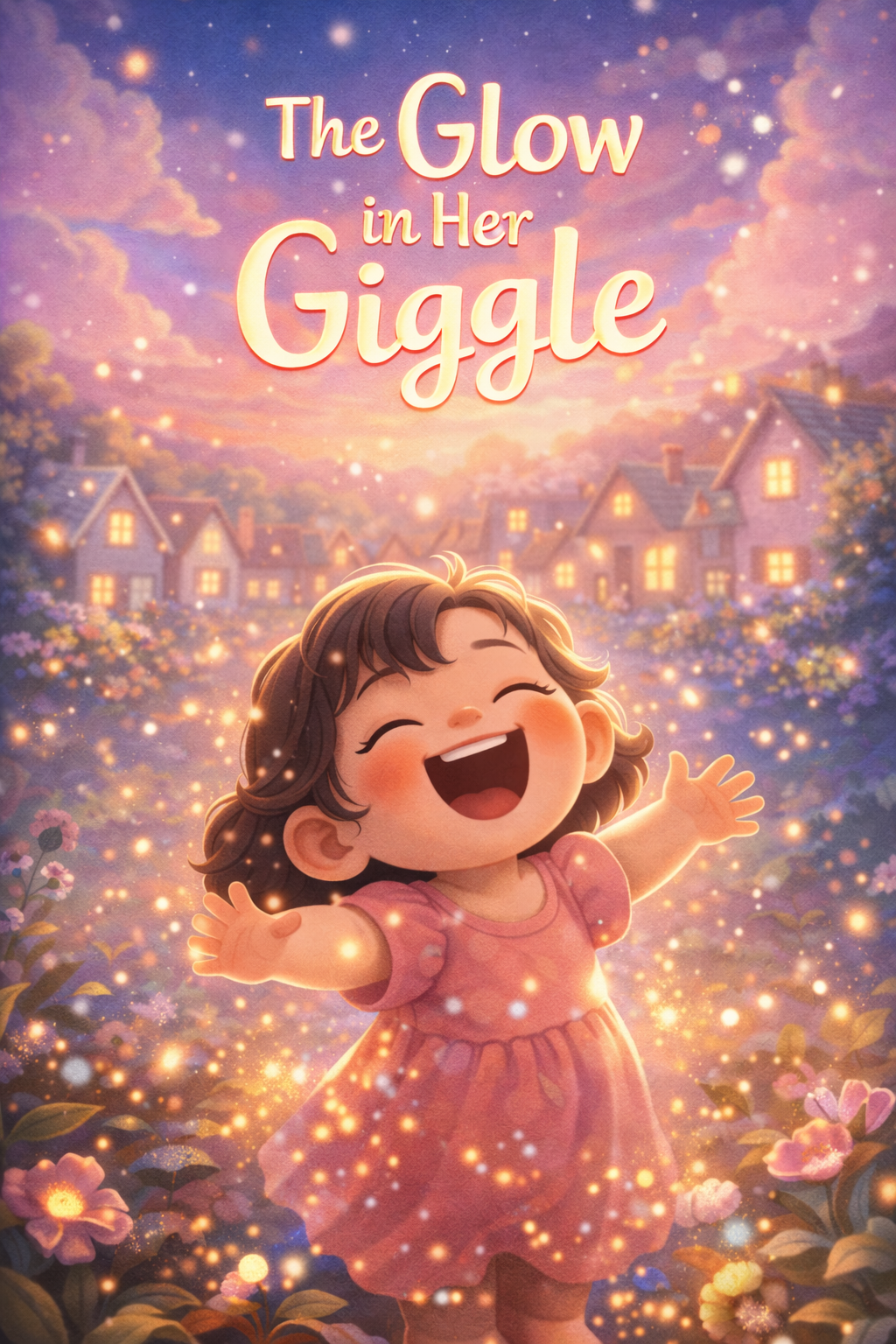
Understanding the Need for a Bedtime Story Routine
Parents understand that a consistent bedtime routine can transform the end of the day into a cherished family tradition. A bedtime story routine not only helps settle children down but also strengthens the parent-child bond. It’s a moment of calm, a gateway into sleep, and an opportunity for kids to see themselves in the stories they hear.
Incorporating a personalized element into this routine can make it even more special. Children who see themselves as the heroes of their own stories feel a deeper connection to the narrative, fostering a sense of identity and belonging. As Reading Rockets highlights, stories are a crucial part of how children construct their understanding of the world and their place within it.
By making your child the hero of their bedtime story, you’re not just telling them a tale; you’re reinforcing their importance and identity. Mero’s personalized films offer an exciting way to bring this narrative principle to life, creating a memorable and meaningful bedtime experience.
Step 1: Set the Stage for Storytime
Creating the right environment for a bedtime story is crucial. Start by dimming the lights and reducing noise in the room to create a calm atmosphere. This setting helps signal to your child that it’s time to wind down and focus on the story.
Consider the tactile aspects of the environment too. A comfortable chair or bed, soft blankets, and a favorite stuffed animal can all contribute to a child feeling secure and ready to listen. According to PBS KIDS for Parents, nurturing these sensory elements can enhance the storytelling experience.
When 7-year-old Liam snuggles under his dinosaur blanket, holding his plush Stegosaurus, he knows it’s time for his favorite part of the day—storytime with Mom. The routine becomes a comforting ritual that eases the transition from day to night.
Step 2: Choose the Right Story
Selecting the right story is key to capturing your child’s imagination. For younger children, simpler stories with repetitive phrases and familiar themes work best. Older kids might enjoy more complex tales that challenge their imagination and intelligence.
Mero’s personalized stories offer a perfect solution for every age, spanning from toddler bedtime adventures to teen coming-of-age narratives. With themes like 'Brave Body' and 'Kindness Hero,' you can tailor the story to your child’s current experiences and emotions.
Imagine the excitement in 5-year-old Mia’s eyes when she sees herself as a courageous explorer in her Mero film, navigating through a magical forest. Such personalized narratives make the story not just about characters in a book, but about Mia’s own adventures.
Step 3: Introduce the Concept of Personalization
Once you’ve chosen the story, it’s time to introduce the personalized element. Explain to your child that the story they are about to hear or watch features them as the main character. This creates an immediate connection and interest.
Personalization helps children see themselves in new roles and scenarios, boosting confidence and self-awareness. As Scholastic Parents notes, personalized stories can enhance a child’s engagement because they see themselves reflected in the narrative.
Visualize the moment Amara, a 6-year-old, hears her name in the opening narration of her Mero film. Her eyes widen in amazement, and her giggles fill the room, as she realizes she is the star of the tale. This sense of wonder is what makes personalized storytelling so powerful.
Step 4: Create Interaction Through Storytelling
Engagement doesn’t stop at listening. Encourage your child to interact with the story by asking questions and predicting what might happen next. These discussions not only enhance comprehension but also foster critical thinking skills.
The 'serve and return' interaction model, as highlighted by the Center on the Developing Child at Harvard University, emphasizes the importance of back-and-forth exchanges in developing a child’s brain circuitry. These interactions can be seamlessly woven into your Mero storytelling routine.
For instance, as 8-year-old Ethan watches his Mero film, he eagerly answers his dad’s questions about what his character might do next. This interaction not only deepens Ethan’s engagement with the story but also builds his narrative skills.
Step 5: Establish Consistency in the Routine
Consistency is key to making the bedtime story routine a comforting and expected part of your child’s day. Try to keep the timing and order of activities the same each night, so your child knows what to expect.
Just as PBS Parents suggests, routines help children feel safe and secure by providing structure. They also reduce bedtime resistance, as children come to anticipate and look forward to the storytelling session.
Imagine the comfort felt by 4-year-old Sophie as she knows that after brushing her teeth and putting on her pajamas, she’ll get to hear her personalized Mero film. This predictability turns the bedtime process into a cherished daily event.
Step 6: Embrace the Ritual of Ending
How you conclude the story session can significantly impact how your child transitions to sleep. Consider ending with a calming ritual such as a lullaby, a gentle back rub, or simply some quiet time together.
This winding-down period helps children transition from the excitement of the story to the tranquility needed for sleep. The ritual of ending is as important as the story itself, creating a full-circle experience.
For example, after watching her Mero film, 3-year-old Lily loves when her dad sings her a soft song, helping her drift peacefully into slumber. This end-of-story ritual wraps up the day with warmth and security.
Step 7: Reflect and Adapt as Needed
Every child is different, and what works one day may evolve as your child grows. Regularly reflect on your routine and be open to making adjustments to better fit your child’s changing needs.
Children’s interests and developmental stages shift, and your routine should be flexible enough to accommodate these changes. Scholastic Parents suggests observing your child’s reactions and adapting stories or rituals accordingly.
When 10-year-old Noah starts showing interest in more adventurous tales, his family adapts their routine to include Mero stories with themes of exploration and bravery, aligning with his growing curiosity and independence.
Why Mero Makes a Difference in Bedtime Stories
Mero’s personalized films transform traditional bedtime stories into cinematic experiences where your child is the hero. This unique approach not only captivates their attention but also strengthens their growing sense of self.
By choosing Mero, you’re giving your child more than just a story; you’re providing a personalized adventure that values their individuality. The American Academy of Pediatrics emphasizes the importance of children seeing themselves in stories, which Mero accomplishes beautifully.
As you consider building or enhancing your child’s bedtime routine, explore the magic of Mero. These personalized films offer an innovative way to include your child’s unique narrative in a cherished family tradition.
Frequently asked questions
How does seeing themselves as the hero of a story help a child?
Children build identity partly through narrative — the stories they hear shape how they see themselves. When a child becomes the literal hero of a film, with their own name, their own face, their own character traits in the script, it reinforces the felt sense that their experiences are worth telling. Reading Rockets, Zero to Three, and the American Academy of Pediatrics all point to the developmental value of children seeing themselves represented in stories.
What age should I introduce personalized stories to my child?
There's no minimum, but the way it lands depends on the age. Toddlers (1-3) respond best to short, soothing bedtime films. Children 4-7 grasp the "hero is me" idea and love the reveal. Children 8-12 engage with more complex emotional themes. Teens 13-17 respond to coming-of-age narratives that take their inner life seriously. Mero has stories across all of these.
Are personalized story films screen time worth allowing?
A 1-2 minute personalized film a few times a week is in a different category from open-ended algorithmic video. It's a finite, intentional, family-shared experience tied to your specific child's identity. The American Academy of Pediatrics recommends parents focus less on raw minutes and more on the quality of what kids watch and whether parents engage with them around it.
How long does it take to receive a Mero personalized story film?
Standard delivery is 7 days from the moment you submit your child's details. If you need it sooner for a birthday, holiday, or special event, an expedited rush option is available at checkout. Every film is hand-crafted, so the timeline is shorter than people usually expect for a fully personalized cinematic short.
What ages is a Mero film suitable for?
Mero films span the full childhood arc, from gentle 1-3 minute bedtime stories for toddlers up to coming-of-age cinematic shorts for teens aged 14-17. Each story in the catalog has its own age range, and parents pick the one that fits their child's developmental stage and emotional moment.
How is a Mero film delivered?
You receive a high-quality MP4 video file by email plus a secure private streaming link, so you can play it on a phone, TV, or laptop and share it with grandparents and friends. The matching digital storybook (included with paid film plans) is delivered as a private digital link — there's no physical book mailed today.
Create Your Child's Personalized Story Today
Bring your child's bedtime routine to life with a Mero personalized story film, where they become the hero of their own adventure.
Create Now