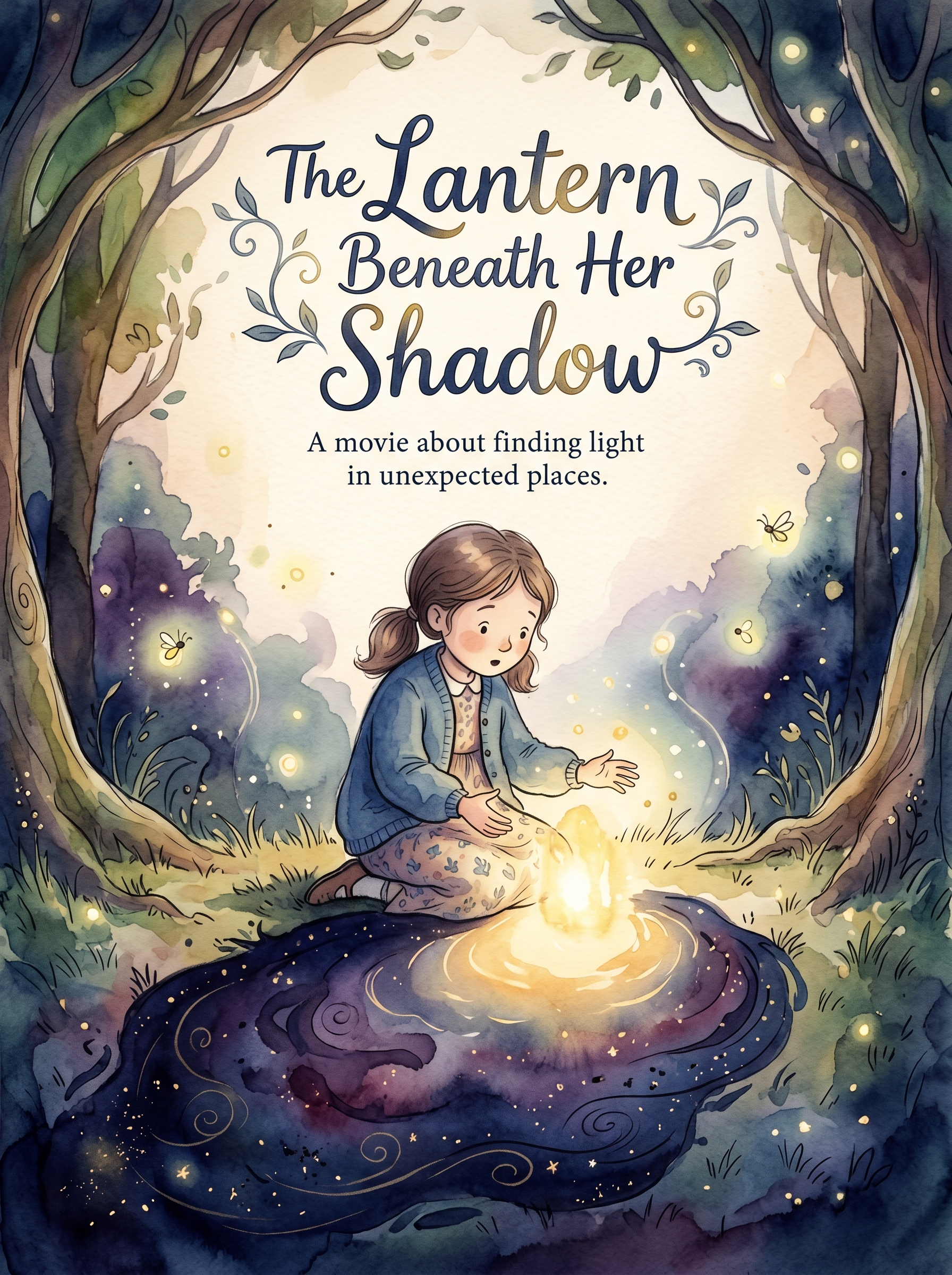
Why Bedtime Stories Matter
Every parent knows the struggle of getting children to settle at bedtime. The nightly ritual of a bedtime story isn't just about easing a child into sleep; it's also about connection and creativity. Reading Rockets highlights the importance of storytelling in child development, noting that stories help children understand the world and themselves.
Bedtime stories give children a sense of closure for the day. They provide a safe space where kids can explore emotions and adventures through the lens of characters they relate to. When integrated with the tactile warmth of a parent's voice, the experience becomes even more comforting and memorable.
Personalized stories, like those Mero offers, take this experience to the next level. They place the child at the heart of the narrative, making them the hero. This strengthens their sense of identity and belonging, as Scholastic Parents discusses the role of self-representation in boosting confidence and empathy.
Step 1: Set a Consistent Time
A consistent bedtime routine begins with a set time each evening. This predictability is comforting for children, providing them with a sense of security. PBS KIDS for Parents suggests that a regular schedule helps children transition from day to night smoothly, as it sets their internal clock to the rhythm of rest.
Establish a time that allows for unwinding without being rushed. Whether it's at 7:30 PM or 8:00 PM, stick to it as closely as possible to build a reliable routine. This consistency helps signal to your child that it's time to relax and prepare for sleep.
Consider using a gentle reminder method, such as a 10-minute warning before story time begins. This gives your child time to finish their current activity and mentally prepare to transition into the quieter story time.
Step 2: Create a Cozy Environment
Transform the bedroom into a peaceful, inviting space for storytelling. This means dimming the lights, ensuring the bed is comfortable, and perhaps adding a soft nightlight to create a sense of security. PBS Parents: Learn and Grow advises creating an environment that feels safe and comforting.
Use soft blankets and pillows to make the space cozy. The idea is to create a physical space that feels like a warm hug, encouraging relaxation and sleep preparation.
A cuddle-friendly space not only makes your child comfortable but also makes storytime more intimate. Consider adding a favorite soft toy to the routine, one your child can hold as they listen to their bedtime story.
Step 3: Choose the Right Story
Selecting the right story is crucial to the routine. For younger children, stories with repetitive phrases and soothing rhythms work best. For older kids, engaging tales with relatable characters and plots can captivate their imagination.
Personalized stories from Mero allow children to see themselves in the narrative. Whether it's Amara's adventure through a magical forest or Ethan's journey across the stars, these tales make each story session feel unique and special.
The themes of the stories should align with your child's interests and emotions. Mero offers a variety of themes such as 'Brave Body' and 'Kindness Hero', allowing you to choose narratives that resonate with your child's current experiences and aspirations.
Step 4: Maintain Engagement
Keep your child engaged by making storytelling interactive. Ask questions about the story and encourage your child's predictions about what might happen next. This aligns with the Center on the Developing Child at Harvard University's advice on 'serve and return' interactions that enhance brain development.
Instead of passively reading, involve different voices for characters and expressive gestures. This not only makes the story lively but also keeps your child engaged and anticipatory.
When using Mero's personalized films, pause the video to discuss the characters and scenes. Ask your child how they would feel in the hero's shoes, which extends their comprehension and emotional engagement with the story.
Step 5: Encourage Reflection
After the story, take a few minutes to reflect with your child. Ask them what they liked most about the story, what they learned, or how the story made them feel. This reflection encourages deeper understanding and memory retention.
For children using Mero's personalized stories, discussing their unique experience as the hero can boost their confidence and promote positive self-identification. It reinforces the idea that their thoughts and feelings are important and valued.
Encourage your child to imagine new endings or create their own stories. This nurtures creativity and gives them a sense of ownership over their storytelling journey.
Step 6: Consistent Closing Ritual
End each storytelling session with a consistent closing ritual. This could be a gentle lullaby, a calming hug, or a few moments of quiet meditation. PBS Parents underscores the importance of a predictable closing activity to signal the end of the day.
A familiar closing ritual helps your child associate storytime with a safe transition to sleep. It reinforces the bedtime routine and helps them wind down completely.
Consider incorporating a brief moment of gratitude, where you and your child share something you are thankful for. This simple practice can set a positive tone for restful sleep and sweet dreams.
Step 7: Revisit and Adapt
As your child grows, their interests and needs may change. Regularly revisit and adapt your bedtime story routine to keep it engaging and relevant.
Scholastic Parents advises parents to be flexible with routines, adjusting them to better fit their children's evolving interests and developmental stages. This ensures the routine remains effective and enjoyable.
Consider introducing new story themes or adjusting the length and type of stories as your child ages. Mero's versatile range allows parents to choose stories that grow with their child, making it easy to keep the bedtime tradition alive and meaningful.
Personalizing Storytime with Mero
Imagine the twinkle in your child's eyes when they hear their own name spoken in the opening narration of their bedtime story. Mero makes this possible by crafting personalized films that place your child at the center of an original adventure.
These films aren't just about entertainment—they are about identity and imagination. With Mero, your child becomes the hero of their own tale, experiencing narratives that mirror their unique traits and special moments.
To introduce this magical element into your routine, explore Mero's range of story plans. Whether you choose the Mini Mero for a quick nightly adventure or the Supermero Plan for a more elaborate story, each option is designed to blend seamlessly into your bedtime traditions.
Frequently asked questions
How does seeing themselves as the hero of a story help a child?
Children build identity partly through narrative — the stories they hear shape how they see themselves. When a child becomes the literal hero of a film, with their own name, their own face, their own character traits in the script, it reinforces the felt sense that their experiences are worth telling. Reading Rockets, Zero to Three, and the American Academy of Pediatrics all point to the developmental value of children seeing themselves represented in stories.
What age should I introduce personalized stories to my child?
There's no minimum, but the way it lands depends on the age. Toddlers (1-3) respond best to short, soothing bedtime films. Children 4-7 grasp the "hero is me" idea and love the reveal. Children 8-12 engage with more complex emotional themes. Teens 13-17 respond to coming-of-age narratives that take their inner life seriously. Mero has stories across all of these.
Are personalized story films screen time worth allowing?
A 1-2 minute personalized film a few times a week is in a different category from open-ended algorithmic video. It's a finite, intentional, family-shared experience tied to your specific child's identity. The American Academy of Pediatrics recommends parents focus less on raw minutes and more on the quality of what kids watch and whether parents engage with them around it.
How long does it take to receive a Mero personalized story film?
Standard delivery is 7 days from the moment you submit your child's details. If you need it sooner for a birthday, holiday, or special event, an expedited rush option is available at checkout. Every film is hand-crafted, so the timeline is shorter than people usually expect for a fully personalized cinematic short.
What ages is a Mero film suitable for?
Mero films span the full childhood arc, from gentle 1-3 minute bedtime stories for toddlers up to coming-of-age cinematic shorts for teens aged 14-17. Each story in the catalog has its own age range, and parents pick the one that fits their child's developmental stage and emotional moment.
How is a Mero film delivered?
You receive a high-quality MP4 video file by email plus a secure private streaming link, so you can play it on a phone, TV, or laptop and share it with grandparents and friends. The matching digital storybook (included with paid film plans) is delivered as a private digital link — there's no physical book mailed today.
Start a Magical Story Routine
Personalize your child's bedtime with a Mero film that places them as the hero of their own adventure.
Create Your Story